Why Some Wounds Refuse to Heal: Inside a Wound Care Clinic
Why Some Wounds Refuse to Heal: Inside a Wound Care Clinic
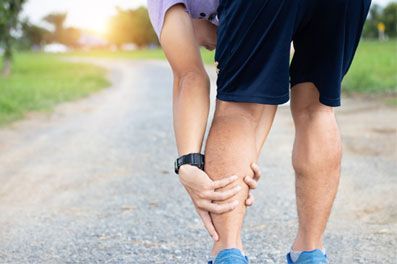
A small wound is supposed to follow a script. Scab, itch, shrink, close, all inside a couple of weeks. When a sore on the leg or foot is still sitting there in week five looking more or less the way it did in week one, the bandage was never the problem. Something underneath it, and most of the time that something is circulation, is starving the tissue of what it needs to rebuild itself.
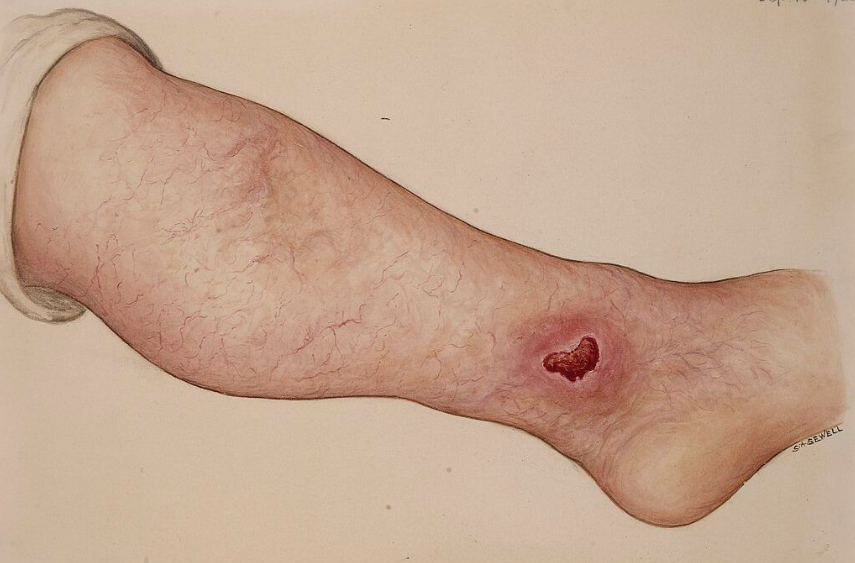
Summer doesn't help. Sandals, bare feet on the deck, yard work in shoes that wouldn't stop a thumbtack. Small foot injuries pick up this time of year, and for someone living with diabetes or poor circulation, a nick in June has a clear path to becoming a stubborn ulcer by August. Knowing when to take a wound to a wound care clinic instead of working your way through the pharmacy's dressing aisle is usually what decides which way it goes.
What a Wound Care Clinic Treats and When to Go
The working rule is about four weeks. A wound that hasn't made clear progress in a month deserves professional eyes on it, because while healing runs slow for plenty of harmless reasons, a month of nothing usually means something is in the way.
We treat the full range of chronic wounds at our clinic. Leg and foot ulcers are the bulk of it, along with surgical wounds that never closed right, traumatic injuries, and pressure sores. If you were recently released from the hospital with an open wound, that's worth a visit too, rather than managing it solo at home.
Nobody gets penalized for coming in early. The longer a wound spends under home treatment, the more time it has to deepen and pick up an infection along the way.
Poor Circulation Drives Most Leg Ulcer Treatment
Behind the majority of leg ulcers you'll find one of two circulation problems, and inconveniently, they pull in opposite directions.
When arteries are blocked or narrowed, the tissue starves. A sore that can't get enough oxygen-rich blood doesn't have the raw material to repair itself, however carefully it gets dressed. These ischemic ulcers frequently signal peripheral vascular disease, so the wound is telling you about more than the skin.
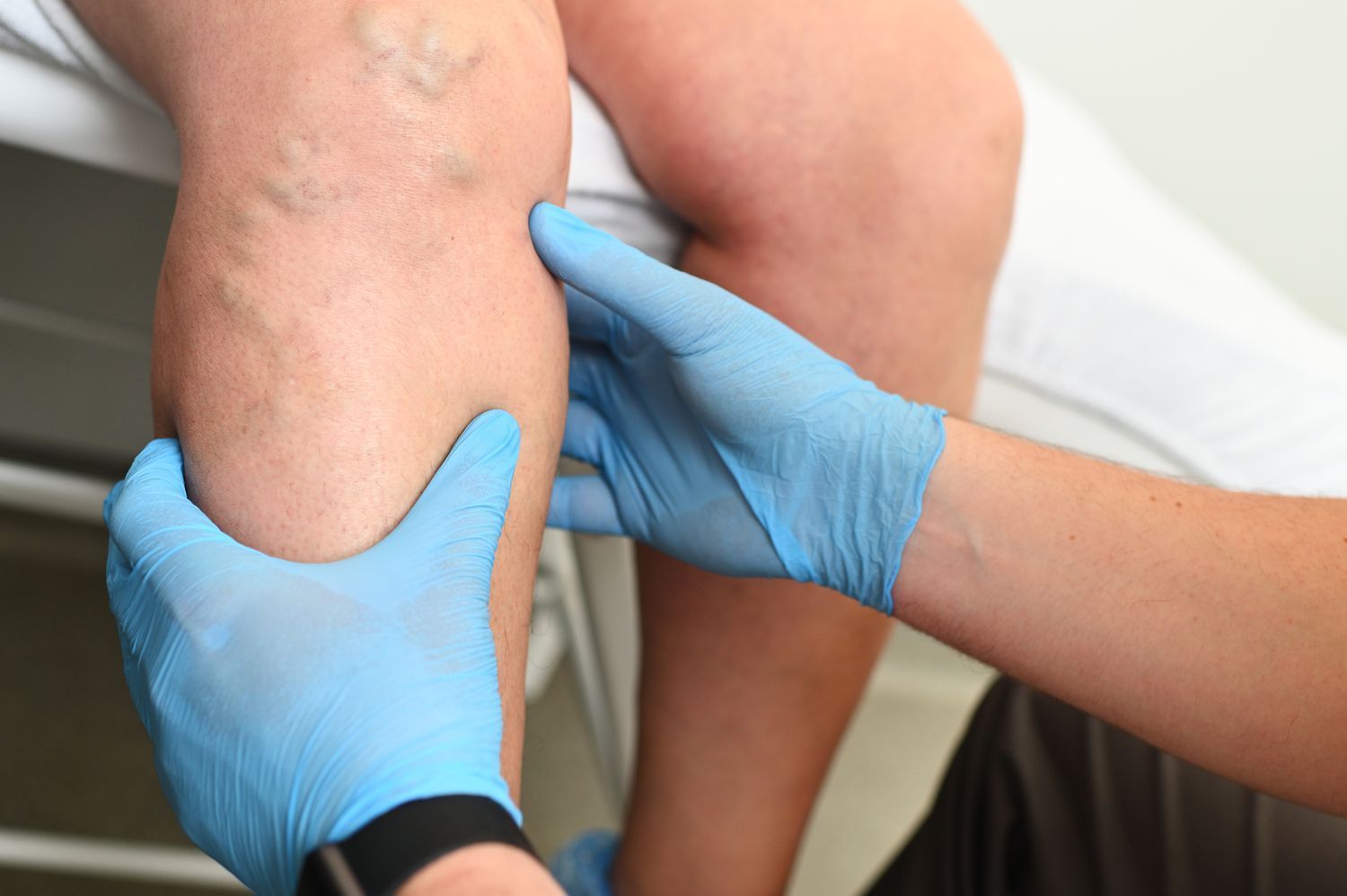
Vein failure floods the tissue instead of starving it. Valves that should keep blood headed back toward the heart give out, blood backs up in the lower leg, pressure climbs, and sores develop, usually on the lower leg or foot. Compression is generally the backbone of treating these. An arterial wound, on the other hand, usually can't tolerate compression.
Which is exactly why diagnosis has to come before the dressing choice. Get the two confused and healing stalls, or the wound actively gets worse. Leg ulcer treatment that works starts with knowing which problem you're holding.
Diabetes and the Case for Seeing a Foot Ulcer Specialist Early
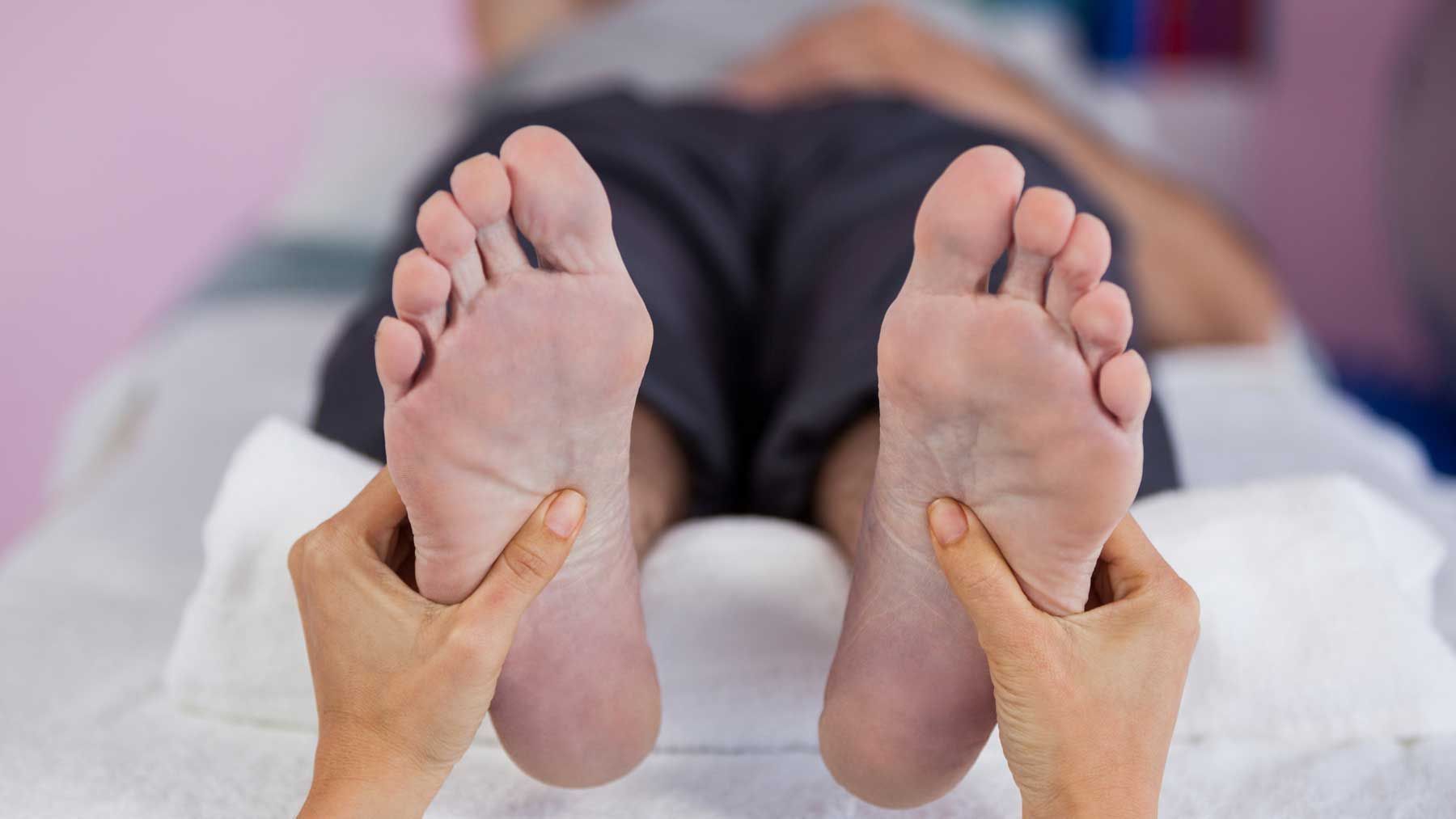
Diabetes changes the math on all of this. Diabetic foot ulcers usually form on the bottom of the foot, which is both the hardest place to see and the one spot you can't stop putting weight on, and because diabetes blunts nerve sensation, the sore frequently doesn't hurt enough to announce itself. Plenty of these wounds are infected before anyone knows they exist.
Run that out far enough without treatment and amputation of the injured foot or leg stops being a theoretical risk. But the timeline from shallow sore to that conversation is long, and nearly every step of it can be interrupted. A foot ulcer specialist would much rather meet a two-week-old surface wound than a two-month-old infected one.
If you're diabetic, look at the bottoms of your feet every day. It takes thirty seconds, and barefoot season is when that habit earns its keep.
How Treatment Works at Our Wound Care Clinic
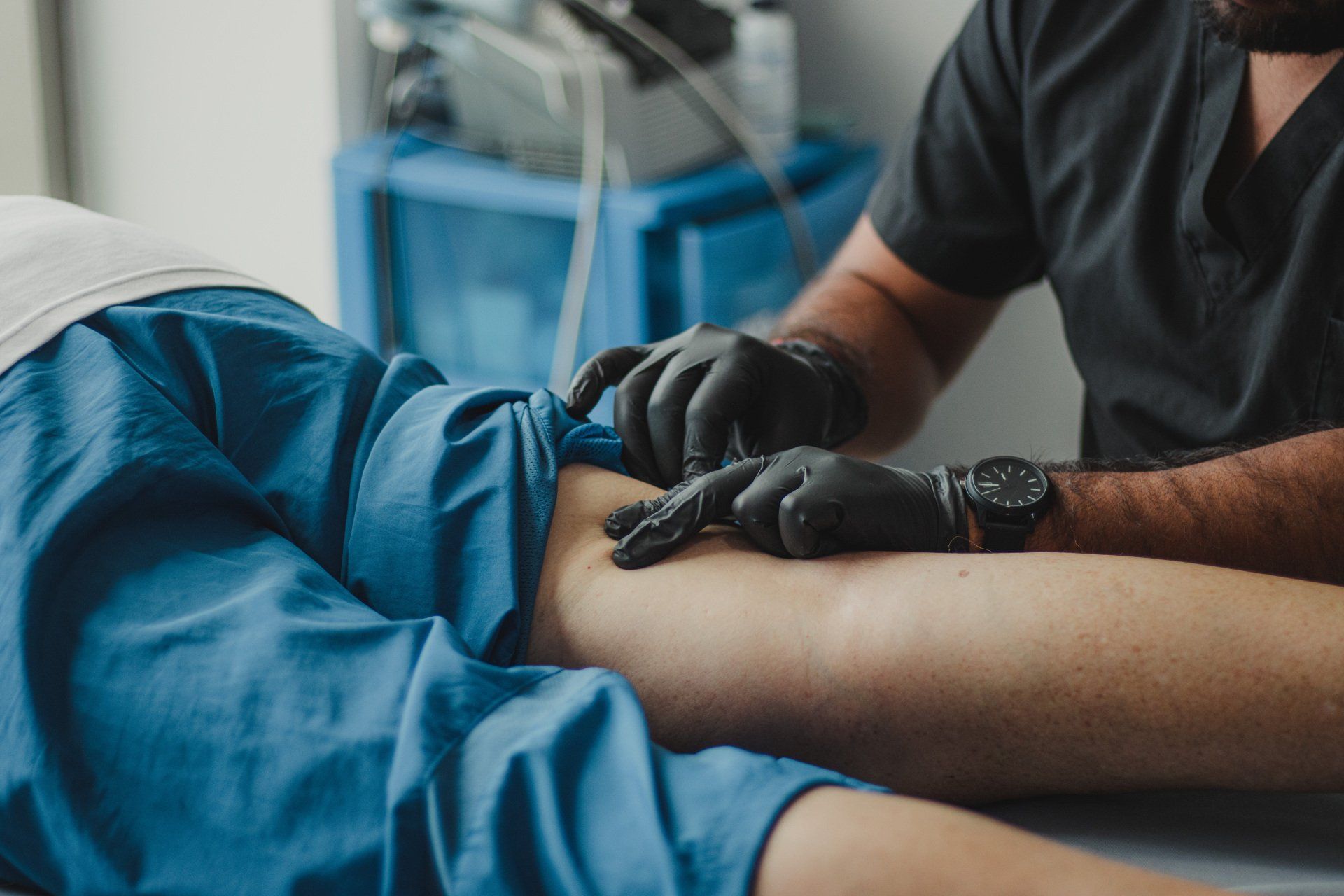
Everything starts with evaluation, including a wound biopsy when tissue looks abnormal or infection is in question, and the plan gets built around whatever is actually blocking the healing. The team behind that plan is deliberately multi disciplinary. Certified wound nurses and podiatrists work alongside physical therapy and infectious disease expertise, and plastic surgery is part of the program as well. We also consult with your existing physicians and keep them aware of your progress, so your wound care doesn't drift off onto its own island.
Dressings, Debridement, and Pressure Therapies for Leg Ulcer Treatment
Past basic cleaning and gauze, the options run deeper than most people realize:
- Advanced dressings matched to the specific wound, up to and including biological dressings and skin substitutes when tissue needs help rebuilding.
- Debridement. Removing the dead or unhealthy tissue that's physically blocking closure sounds grim, but it's one of the more dependable ways to restart a wound that has stalled out.
- Pressure-based approaches, from compression wraps for venous ulcers to negative pressure therapy that uses controlled suction to draw a wound closed.
- Electro-stimulation, which uses a mild electrical charge to activate the body's own healing, plus pulsed washing to clean the wound bed.
Hyperbaric Oxygen Therapy at the Wound Care Clinic
Weakened tissue sometimes wants more oxygen than ordinary breathing can deliver to it. Hyperbaric oxygen therapy handles that by having you breathe concentrated oxygen through a delivery hood while you sit upright in a large reclining chair, and the extra oxygen reaching the bloodstream gives a stubborn wound material to work with.
Put together, the clinic's healing rate runs above 80 percent, with many patients fully recovered within a few months of starting care. Chronic isn't the same thing as permanent.
Why a Vascular Surgeon Should Be Involved in Wound Healing
There's a reason it matters that our wound care lives inside a vascular surgery practice. An ulcer that exists because an artery is blocked or a vein is failing will keep coming back no matter how good the dressings are, until the circulation itself gets fixed. The wound and the blood flow have to be treated as one case.
Dr. Abushmaies is a board certified vascular surgeon, fellowship trained at the University of Toronto, and when a wound traces back to a vein or artery problem, the minimally invasive procedures that correct the underlying issue happen within the same practice that's treating the wound. One evaluation by a vascular specialist, and both halves of the problem are on the table at once.
Visit a Wound Care Clinic Serving Hillsdale and Coldwater
Our wound care clinic operates in Hillsdale and Coldwater. Clinic locations also reach from Adrian and Jackson down to Toledo, and hours run Monday through Friday, 8 to 5.
Stalled wounds rarely restart on their own, and each week one sits open is another week of infection risk, so this is worth a call sooner rather than later. Reach us at (517) 797-5265 or visit our site to book an evaluation. There's a version of this fall where the spot you've been wrapping since spring is just closed skin you don't think about anymore. Finding out what's been blocking it is what starts that clock.