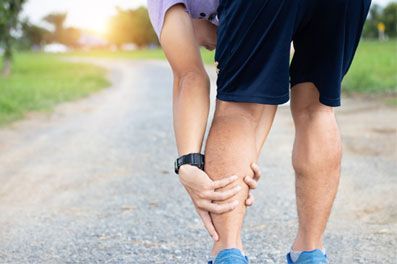
Leg Swelling That Won't Go Down: When to See a Leg Swelling Doctor
Leg Swelling That Won't Go Down: When to See a Leg Swelling Doctor
Most people don't notice their legs in February. Pants, boots, weather that keeps everyone inside. Then June shows up, the shorts come out, and there's an ankle at seven in the evening that doesn't look much like the ankle from seven in the morning. Heat makes fluid retention worse, which is part of why early summer is when a lot of these problems get noticed for the first time, even though whatever's driving them has usually been building for a while.
Swelling after a long day on your feet isn't automatically a problem. It happens, then it drains overnight, and you move on. The kind worth taking seriously shows up daily, hangs around past morning, or keeps inching higher up the leg, and that pattern points at the veins or the lymphatic system far more often than it points at anything you did that day. A leg swelling doctor can usually sort out which it is faster than people expect.
What a Leg Swelling Doctor Pays Attention to First
Before any testing, the pattern does a lot of the work on its own. Both legs swelling slowly over weeks usually means veins, lymphatics, or a fluid balance issue somewhere. One leg blowing up over a day or two is a different animal entirely, because that can be a blood clot, and clots don't get the watch-and-wait treatment.
A few situations shouldn't sit until a routine appointment:
- One leg that turned swollen, warm, or discolored within hours or days, particularly after surgery or a long stretch of sitting still.
- Sudden shortness of breath or chest discomfort on top of the leg symptoms. That's an emergency room trip, not a phone call.
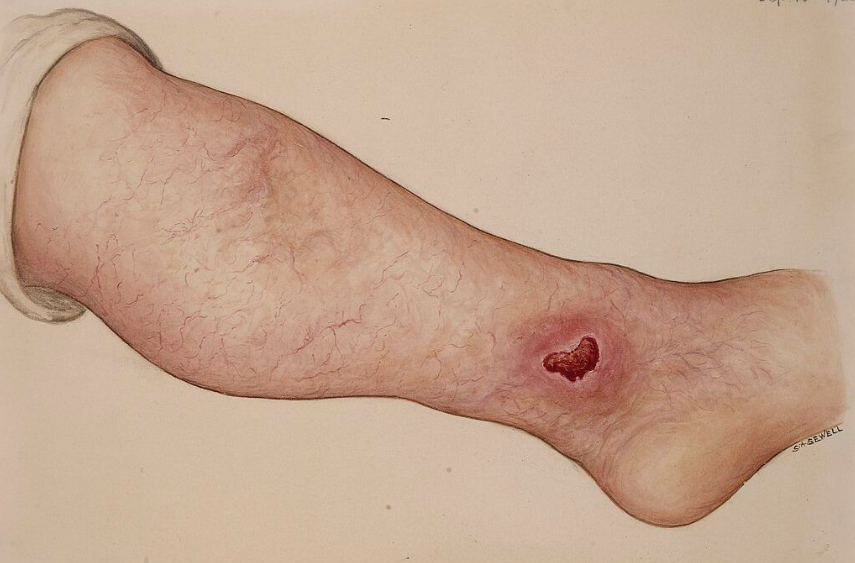
- An open sore on the swollen leg that won't close.
Chronic swelling sits at the other end of the urgency scale, but it isn't something to leave unexamined for months either. Fluid parked in the tissues changes the skin slowly, and the later those changes get caught, the harder they generally are to walk back.
Venous Insufficiency: What a Leg Swelling Specialist Sees Most Often
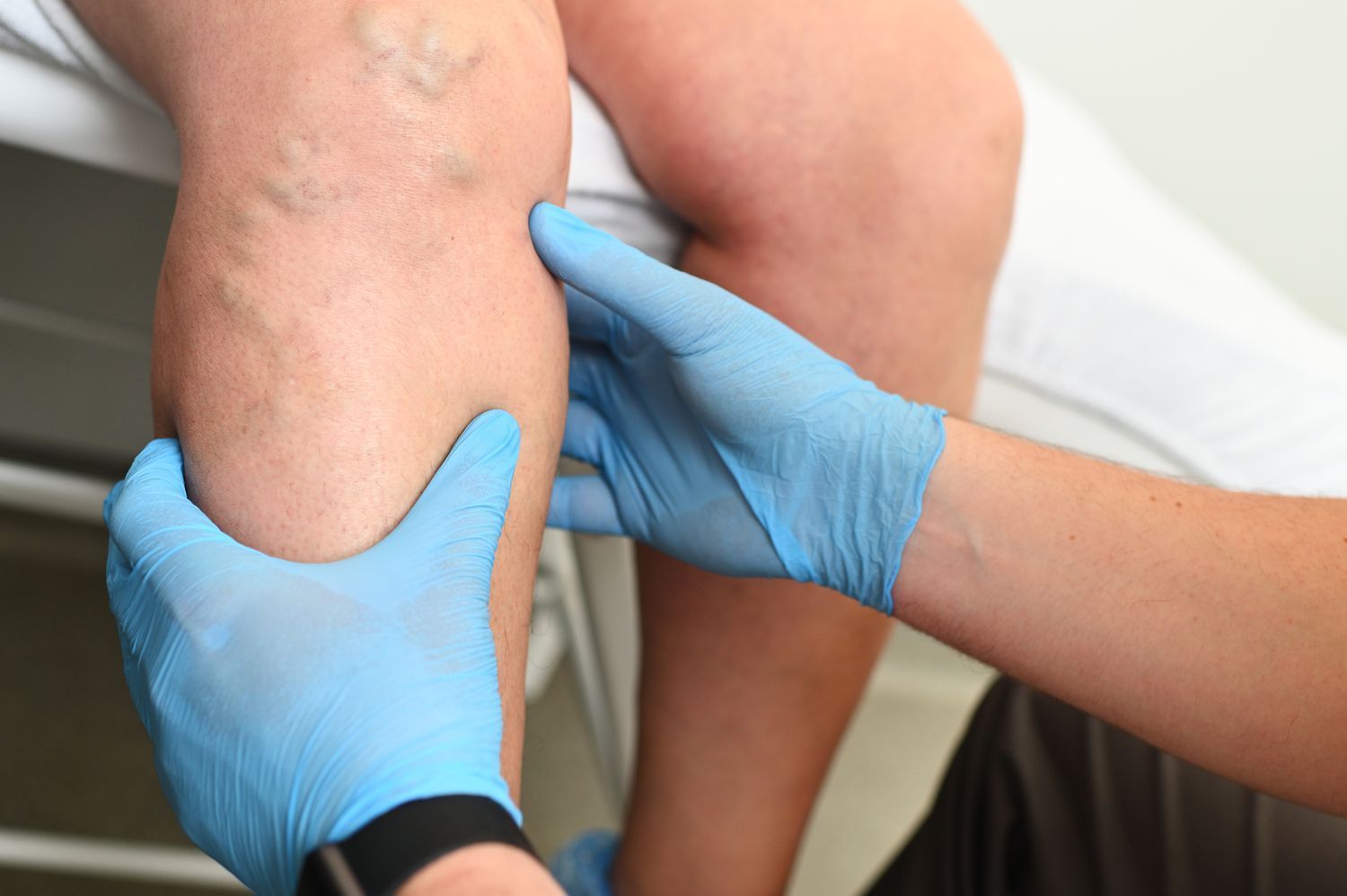
The veins are behind more chronic leg swelling than anything else. There are small valves inside the leg veins whose entire job is keeping blood moving up toward the heart, and once those start failing, blood pools down in the lower leg instead of moving along. That's venous insufficiency. The pooled blood raises pressure inside the vein, and that pressure squeezes fluid out into the surrounding tissue.
The daily rhythm is distinctive enough that it nearly diagnoses itself. Fine in the morning. Heavy by late afternoon, visibly puffy around the ankles by dinner, and then overnight, with the legs level, most of it drains back out and the next day runs the same loop.
Varicose veins ride along with this more often than not, since the valve failure behind the swelling is the same one that lets veins stretch and twist. So if you've been meaning to see a varicose veins specialist about bulging veins and you also get end-of-day swelling, you're probably looking at one problem wearing two outfits. Treating the underlying vein disease is usually what handles both.
Lymphedema Care From a Vascular Doctor in Michigan
Lymphedema is a different mechanism. The lymphatic system normally drains fluid out of the tissues, and when it's been injured or obstructed, that fluid builds up in the limb instead. Compared with vein-related swelling, lymphedema is more stubborn about it. It doesn't reliably drain overnight, and the leg can stay enlarged around the clock.
Treatment at our clinic runs along a few lines, combined depending on what the evaluation turns up. Manual lymphatic drainage is a gentle massage technique that stimulates the lymphatic system and gets fluid moving out of the limb. Compression therapy keeps steady pressure on the leg through specialized bandages or garments so fluid keeps moving and the swelling comes down. We'll also walk you through exercises and day-to-day changes that support drainage between visits, and in some cases Dr. Abushmaies may recommend a minimally invasive procedure when an underlying vascular issue is feeding the swelling.
Vein disease and lymphedema can look nearly identical from the outside. The treatments overlap without being interchangeable, which is the argument for seeing a vascular doctor in Michigan who manages both, rather than spending six months treating the wrong one and wondering why nothing's improving.
How a Vascular Specialist Diagnoses Leg Swelling
What actually happens at the appointment? Less than people brace for. It starts with talking. When the swelling began, one leg or both, whether it eases overnight, what medications you're on, since a handful of common prescriptions are known for causing fluid retention as a side effect.
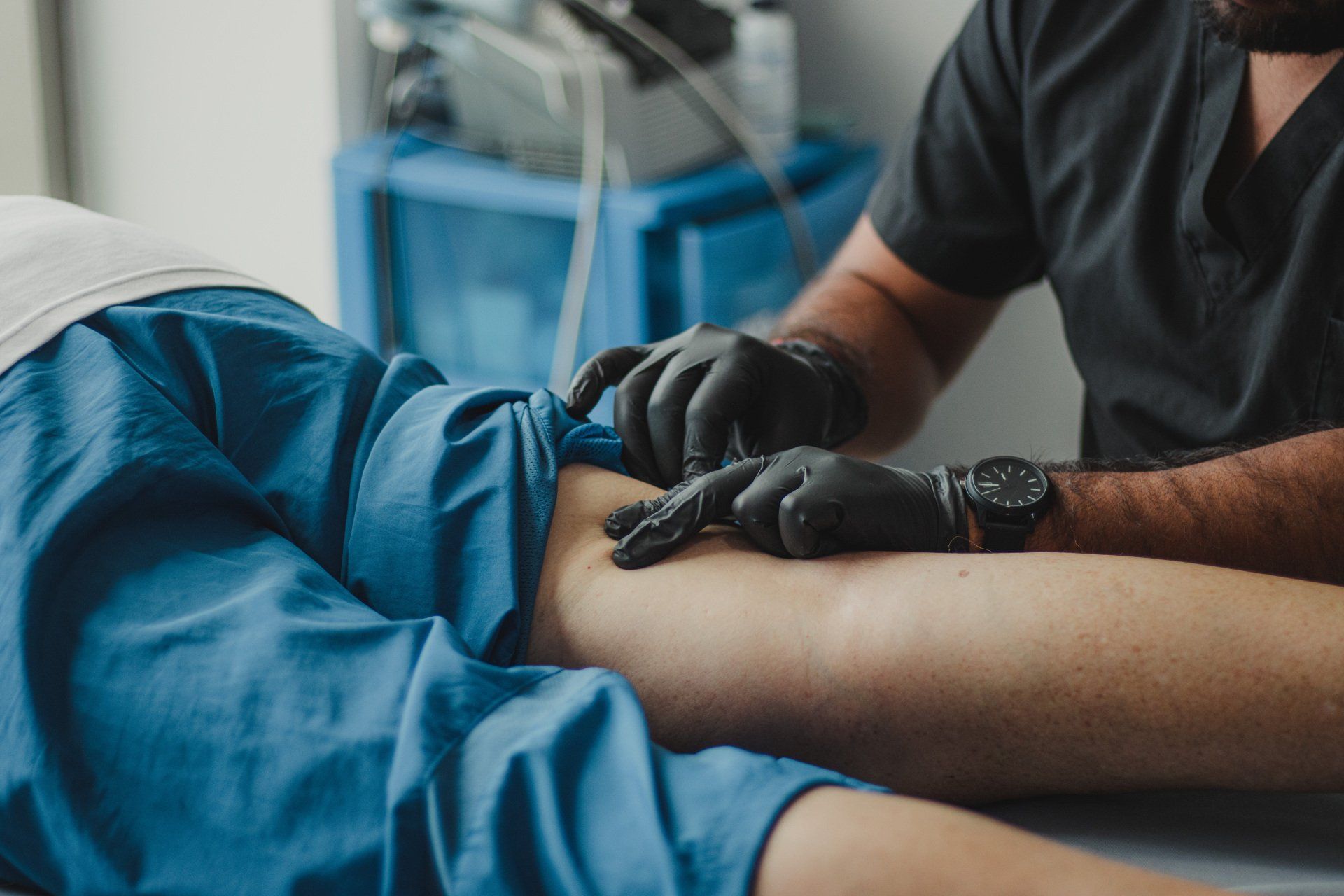
From there, duplex ultrasound carries the rest. It's the standard test for this kind of question, it shows blood flow in the leg veins in real time without needles or radiation, and it can check for clots while showing how the veins are actually behaving. A test like that turns a vague worry into a concrete answer, which counts for a lot when the question keeping you up at night is whether this is something serious.
Legs also swell for reasons outside the vascular system, heart and kidney conditions among them, and that's exactly why guessing from home rarely settles anything. Even when the exam points elsewhere, you leave knowing what it isn't, and that narrows the next conversation with your family doctor considerably.
Schedule With a Leg Swelling Doctor Serving Hillsdale and Coldwater
Advanced Veins and Vascular treats lymphedema and leg swelling at our office on W. Carelton Rd. in Hillsdale, and we see patients from Coldwater and the surrounding towns as well. Dr. Abushmaies is a board certified vascular surgeon, so the evaluation and the treatment stay under one roof instead of bouncing between referrals.
We're in Monday through Friday, 8 to 5, and summer calendars have a way of filling in around everyone's vacations, so the earlier in the season you call, the more say you get over the time slot. Call (517) 797-5265 or visit our site to request a consultation. By July you could be ending the day with ankles that still look like they did at breakfast, instead of building your plans around how swollen your legs are going to be by evening.