Signs of a Leg Blood Clot and When to See a Doctor in Michigan
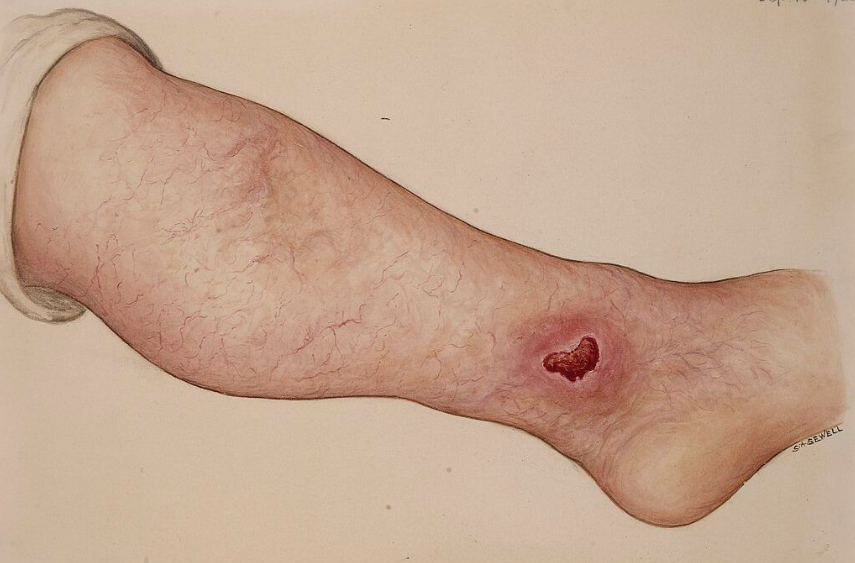
Say your left calf has been sore since yesterday morning. You drove back from Jackson the night before and figured you just sat in the car too long. Reasonable enough. But now it is the next day and the soreness has not eased up at all. The calf feels warm when you press on it. Looking down, the skin has a faint reddish tint your right leg does not have. One-sided changes like that in a leg are not the sort of thing you shrug off - it could be a blood clot forming in a deep vein.
I have evaluated patients at our Hillsdale County practice who almost did not come in because the leg just felt "a little off." Blood clots in the legs do not always announce themselves with dramatic swelling or sharp pain. Sometimes it is just a nagging feeling that one leg is different from the other. Knowing what to watch for and when to act fast makes a real difference in how this plays out.
What Deep Vein Thrombosis Is and Why Leg Blood Clot Treatment Cannot Wait
A leg blood clot - deep vein thrombosis, or DVT in medical shorthand - happens when blood thickens and clumps together inside one of the larger veins running through the muscles in your calf or thigh. Not the surface veins you can see through the skin. The deep ones. That clot blocks blood from flowing through the vein properly, and the backup is what creates the swelling and aching.
Here is why DVT is treated as urgent. A clot sitting in a leg vein is painful and needs to be addressed, but it is manageable. The real concern is what happens if a piece of that clot breaks off and rides the bloodstream up to the lungs. That is a pulmonary embolism. It can be fatal. Not every DVT leads there - most do not - but there is no reliable way to predict which clots will stay put and which ones will travel. That uncertainty alone is the reason leg blood clot treatment does not get put on next week’s to-do list.
Warning Signs You Should Bring to a Leg Blood Clot Doctor
DVT shows up differently in different people. Some patients have textbook symptoms that practically diagnose themselves. Others describe something so mild they debated whether to call at all. The consistent thread is that the symptoms almost always affect one leg, not both. Both legs swelling usually points somewhere else entirely.
Here is what to pay attention to:
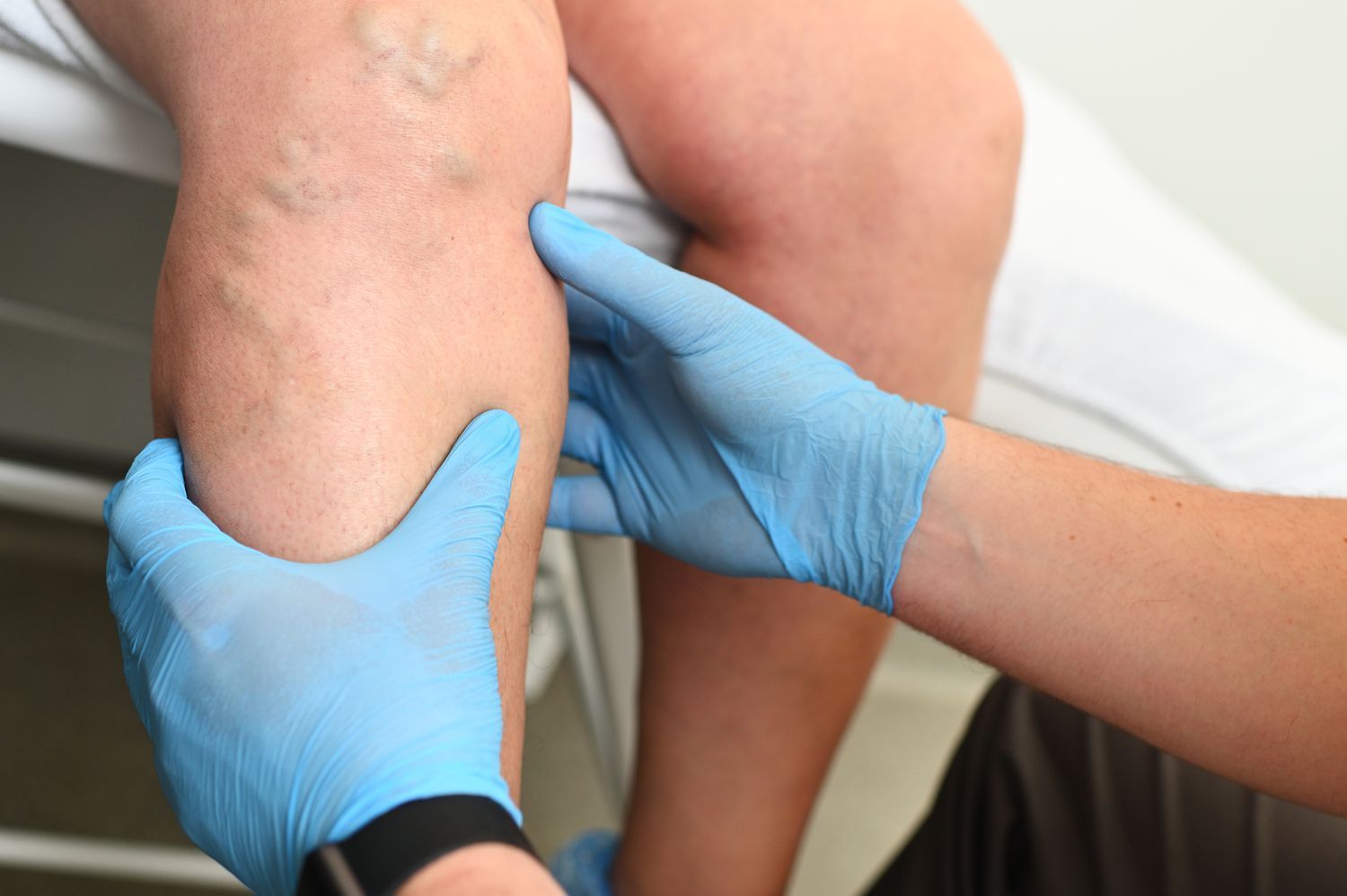
- Swelling in one leg that came on within hours or over the course of a day. It might be the whole lower leg or concentrated right behind the knee.
- A deep cramp or charley horse feeling centered in the calf that does not let up
- Warmth you can feel when you lay your palm flat on the sore spot and then compare it to the same spot on the other side
- Redness or discoloration - hold both legs next to each other and look. Sometimes the color is more bluish than red.
- A sensation of tightness or fullness, like the skin is being stretched from the inside
And here is something that trips people up: a small clot in just the right location can hurt more than a bigger one in a less sensitive spot. The severity of your symptoms is not a reliable indicator of how serious the clot is. If one leg feels off and it is not getting better on its own, get it looked at by a leg blood clot doctor. Better to rule it out than to guess wrong.
Who Is Most at Risk and When Deep Vein Thrombosis Treatment Becomes Urgent
Clots need three things to form: slow blood flow, blood that clots too easily, or damage to the vein wall. Usually you get a combination. Some life circumstances push the odds up considerably.
Surgery is probably the biggest one. Think about what happens during a major procedure - you are lying still for hours, your body ramps up its clotting response to deal with surgical trauma, and then you spend days recovering with limited mobility. Hip and knee replacements are especially notorious for DVT risk, but any surgery that keeps you off your feet qualifies. I tell post-surgical patients the same thing every time: if you notice new calf swelling or tenderness in the weeks after your procedure, call us that day. Do not wait for your follow-up.
Long stretches of sitting are another common setup. Driving a few hours to Toledo or Adrian without pulling over, sitting through an overseas flight, working a desk job for eight hours straight without getting up - all of it lets blood pool in your lower legs. That pooling is exactly how clots get their start.
Beyond those two, the risk factor list includes previous blood clots (personal or family), cancer treatment, pregnancy, birth control pills or hormone replacement therapy, obesity, and inherited clotting conditions. Smoking makes things worse because it damages the vein walls directly. Being over 60 adds baseline risk, though DVT in patients in their thirties is not unheard of. It is not exclusively an older person’s condition.
If you check two or more boxes on that list and something in your leg feels wrong, do not argue with yourself about whether it is bad enough to call. It is.
When to See a Leg Swelling Doctor and What Happens During the Visit
If you are dealing with the symptoms listed above, this is a same-day kind of situation. Contact your doctor or a vascular specialist before the day is over. And if sudden shortness of breath, chest pain, or a racing heartbeat shows up on top of the leg issues - emergency room, immediately. Those could mean a clot has already moved to the lungs.
At our practice, the evaluation starts with a conversation. Your symptoms, your medical history, what you were doing when the leg started bothering you. Then we move to duplex ultrasound. This is a noninvasive test - no needles, no radiation - that shows blood flow inside your veins in real time. Takes about 15 to 20 minutes. We can see whether a clot is there, how big it is, and exactly where it sits. Results right away. No waiting days for a report.
Why does it matter that a leg swelling specialist near me with vascular training does this evaluation? Because leg swelling has a long list of possible causes. Venous insufficiency, lymphedema, baker’s cysts, cellulitis, even a pulled muscle. A leg swelling doctor who works specifically with blood vessels can sort through those possibilities accurately and make sure you get the right diagnosis on the first pass instead of bouncing between appointments.
How Leg Blood Clot Treatment Actually Works
Treatment depends on how big the clot is, where it is sitting, how long it has been there, and what your overall health looks like. But the goals stay the same no matter what: keep the clot from growing, prevent it from reaching the lungs, and lower the chances of getting another one down the road.
Blood Thinners: The Starting Point for Most Leg Blood Clot Treatment
Anticoagulant medications are first-line treatment for the majority of DVT cases. People call them blood thinners, though they do not actually thin your blood - they reduce the blood’s ability to form new clots and stop the existing one from growing. Your body’s own system gradually breaks the clot down over the weeks and months that follow. Think of the medication as holding the line while your body does the cleanup work.
Most patients stay on anticoagulants for at least three months. Some longer. It depends on what caused the clot and whether any ongoing risk factors remain in place.
Advanced Deep Vein Thrombosis Treatment When Medication Is Not Enough
Large clots, clots in critical locations, or clots causing severe symptoms sometimes need more than medication alone. That is where catheter-based procedures come in. Thrombolytic therapy delivers clot-dissolving drugs right to the clot through a thin tube threaded into the vein. In some cases we can physically pull the clot out using specialized devices designed for exactly that purpose. Small puncture site, local anesthesia, and recovery that is measured in days rather than the weeks you would expect from open surgery.
For patients facing high pulmonary embolism risk, we may place an IVC filter. This is a small device that sits in the large vein in your abdomen and acts like a catch net - if any clot fragments break loose, it traps them before they reach the lungs. It does not treat the clot itself, but it provides a critical safety layer while other treatments work.
Compression stockings usually round out the plan. Medical-grade ones, not the kind you pick up at the pharmacy. They apply steady, calibrated pressure that pushes blood upward and takes down the swelling. Not glamorous. But patients tell me they feel the difference within the first few days of wearing them, and that is hard to argue with.
Swollen Leg But Not a Blood Clot: Why Getting the Right Deep Vein Thrombosis Diagnosis Matters
A pulled calf muscle can feel a lot like early DVT. So can a baker’s cyst that ruptures behind the knee. Cellulitis - a skin infection - produces warmth and redness too. And chronic venous insufficiency causes swelling that builds throughout the day in a way that can mimic a clot. These conditions overlap enough in their symptoms that guessing based on what you read online is not going to give you a reliable answer.
An ultrasound settles it in 15 minutes. Clot there? We start treatment immediately. No clot? Good. We figure out what is actually going on and point you toward the right solution. Either way you walk out with an answer, which beats spending another few nights googling "calf pain one leg" and getting more anxious by the hour.
Get Leg Blood Clot Treatment at Advanced Veins and Vascular
Leg symptoms that come on suddenly, affect just one side, or feel different from anything you have experienced before need a same-day conversation with someone who specializes in this. At Advanced Veins and Vascular in Hillsdale, we provide rapid diagnostic ultrasound and everything from medication management to catheter-based deep vein thrombosis treatment, all in one location. Our practice serves patients across Hillsdale County, Coldwater, Adrian, Jackson, and Sturgis.
Call
(517) 797-5265. Whether the answer turns out to be DVT or something far less serious, you will leave knowing exactly what is happening in that leg instead of spending another night wondering whether the swelling you noticed yesterday is something you should have dealt with already.