Leg Blood Clot Treatment: What Happens After a DVT Is Confirmed
Leg Blood Clot Treatment: What Happens After a DVT Is Confirmed
Once a deep vein thrombosis is confirmed, the questions change in a hurry. The worry stops being about whether something's wrong and starts being about what happens next, which is usually where the real unease lives, since most people know a blood clot is serious without having any picture of what treating one actually looks like. The reassuring part is that it tends to be more orderly than it sounds.
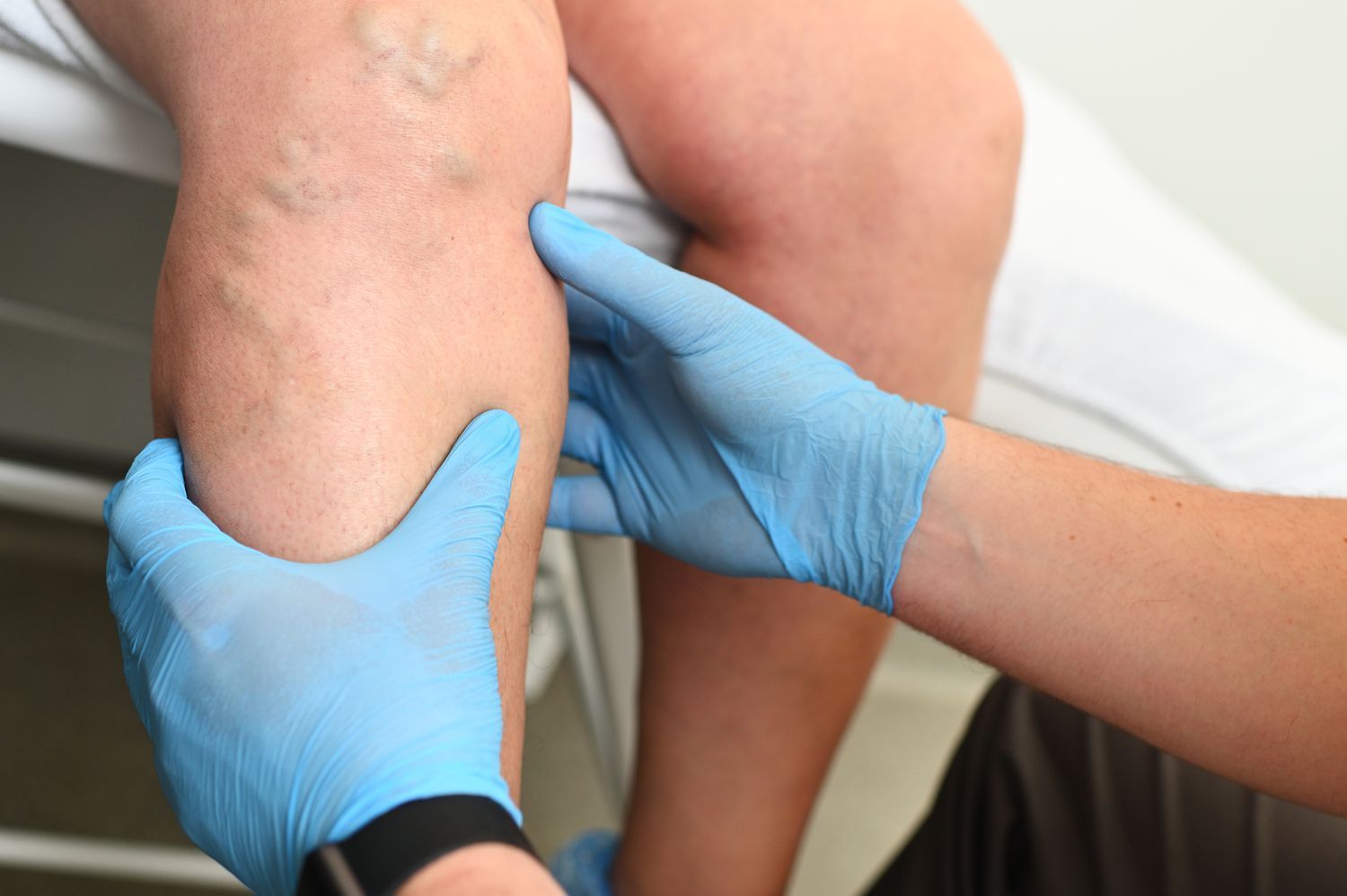
A leg blood clot, or DVT, forms in one of the deep veins running through the leg or pelvis, the ones that carry blood back up toward the heart. Block one of those veins and blood starts to pool behind the clot, and that pooling is what shows up as swelling and a deep ache. What makes it worth treating quickly isn't the discomfort, though. It's the chance that a fragment breaks off and travels, and heading that off is really what treatment is for.
At Advanced Veins and Vascular, leg blood clot treatment works on a few fronts at the same time, and seeing what those are makes the rest of the plan easier to follow. So instead of walking through symptoms again, it's more useful here to lay out what treatment does and what the recovery afterward tends to involve.
What Treatment Is Trying to Accomplish
A couple of things need to happen right away. Keeping the clot from growing comes first in practice, because a larger clot causes more trouble where it sits and is likelier to shed a fragment. Close alongside that is the work of clearing the clot so blood can move through the leg normally again. Those two tend to run together in the early days.
The reason a leg clot is urgent, rather than just uncomfortable, sits a little further out. If a piece breaks away, it can ride up through the veins and lodge in an artery in the lungs, and that is a pulmonary embolism, a real emergency. Most clots never go that way. The catch is that there's no reliable way to know in advance which ones might, and that uncertainty is exactly why treatment starts promptly instead of waiting to see how it plays out.
There's a longer-range concern too, and it's the one people tend to overlook because it shows up well after the first week. A clot can scar the small valves inside a vein, and when those valves don't fully recover, you get post-thrombotic syndrome, a nagging combination of swelling and skin changes, with an ache that can drag on for years. A good share of what treatment does early is meant to head that off, not only to clear the blockage in front of us.
How the Clot Actually Gets Treated
The specifics shift from person to person, mostly according to the size and location of the clot and how long it's been sitting there. A patient's overall health steers things as well. In most cases the treatment pulls from a familiar toolkit, and the backbone for a lot of DVT is medication that lowers the blood's tendency to form new clots. People call these blood thinners, even though nothing actually gets thinner. What they really do is hold the line, stopping the existing clot from growing and keeping fresh ones from forming while the body works the original down over the weeks and months that follow. Heparin is a common starting point.
Alongside the medication, a few plain measures earn more than they get credit for. Simple things like elevating the leg or getting it gently moving keep blood from pooling, and properly fitted compression takes down the swelling a clot brings on. None of that is the dramatic part of treatment, but it has a real say in how the leg feels day to day and how well it bounces back.
When a clot is larger or more stubborn, or it's clearly causing problems, medication on its own may not be enough, and the procedural options come into view. Thrombolysis delivers clot-dissolving drugs right up close to the clot, sometimes together with a catheter that can break it apart or draw it out. Our practice tends to handle this with minimally invasive techniques, pairing small devices with clot-busting medication through a puncture instead of an open incision, which usually means less discomfort and a faster recovery. For the larger or more damaging clots, surgery to remove it outright can be the more sensible route.
Deep Vein Thrombosis Treatment and the Weeks After
Deep vein thrombosis treatment doesn't wrap up the moment the initial clot is dealt with, and being straight about recovery matters just as much as the first intervention does. Anticoagulation tends to run for months rather than weeks, and how long really hinges on what set the clot off in the first place. If it followed a one-time trigger, say surgery or a long spell of not moving, treatment often runs a defined stretch. A clot tied to an ongoing risk factor can call for a longer course. Where your case lands is a conversation to have with the physician managing it, because there's no single duration that fits everyone.
Compression usually stays in the picture through much of that window. Compression stockings apply steady pressure to the leg, which keeps blood moving and brings the swelling down, and heading off the post-thrombotic syndrome mentioned a moment ago is one of the things treatment aims at from the start. Wearing them as directed is one of the more genuinely useful things you can do for the long-term result, even if they rank among the least exciting parts of it.
Follow-up rounds it out. A clot keeps changing over time, and the risk of a second one doesn't disappear the day the first gets treated, so checking how the healing is going and taking another look at risk factors belongs in the plan rather than sitting outside it. The whole point is a leg that gets back to working normally, without the lasting aftereffects a clot can otherwise leave behind.
How Advanced Veins and Vascular Approaches DVT Care
There's a down-to-earth reason to let a vascular practice manage a clot instead of treating it off in a corner. A DVT is a problem of the venous system through and through, so the same practice that finds it on ultrasound is already set up to step up to a procedure if the clot turns out to need more than medication. Our vascular testing and our interventional options sit inside the same program, which is what keeps the diagnosis and the treatment connected.
Our team covers that whole span, from the straightforward cases that need medication and monitoring to the knottier ones that call for minimally invasive intervention. It's a specialized team, with board certified vascular medicine specialists managing deep vein thrombosis through non-invasive therapy, and vascular surgeons and interventional radiologists on hand when a blockage calls for a minimally invasive procedure. Dr. Abushmaies is a board certified vascular surgeon, fellowship trained at the University of Toronto and a Registered Physician in Vascular Interpretation.
Leg Blood Clot Treatment for Hillsdale and Coldwater
Timing matters with clots, so one quick note before the practical details. Swelling or a deep ache that settles into one leg and won't ease up is worth getting looked at the same day rather than waited out, especially if the leg also feels warm to the touch. And if any of it comes with sudden shortness of breath or chest discomfort, that's an emergency room, not a phone call. For a leg that's been nagging you and you can't quite call it, a prompt evaluation is simply the right move.
Advanced Veins and Vascular provides leg blood clot treatment from our Hillsdale and Coldwater offices, and we see patients from Adrian, Jackson, Sturgis, and Toledo as well. We're open Monday through Friday, 8 to 5, and reaching a leg blood clot doctor is as simple as a call to (517) 797-5265 or a consultation request through our site.
Some clots need little more than medication and time, while others call for something more hands-on, and in any of those situations you'll leave with a plan shaped around your own case and a clear read on what the coming weeks hold, rather than managing a swollen, aching leg on guesswork.