What a Wound Care Clinic Does for a Wound That Will Not Heal
What a Wound Care Clinic Does for a Wound That Will Not Heal
A small wound on the leg or foot that has been open for weeks feels like a minor problem right up until it stops being one. Most ordinary cuts close inside two or three weeks. When something on the lower leg has not made real progress after a full month, the wound itself is usually not the issue anymore. Something underneath it is.
That something, more often than not, involves circulation in one form or another. Which is why wound care and vascular care belong under one roof. A wound care clinic that also handles the arteries and veins feeding the lower legs can sort out both ends in the same visit. It simplifies things.
Why Wounds Stop Healing and When a Wound Care Clinic Gets Involved
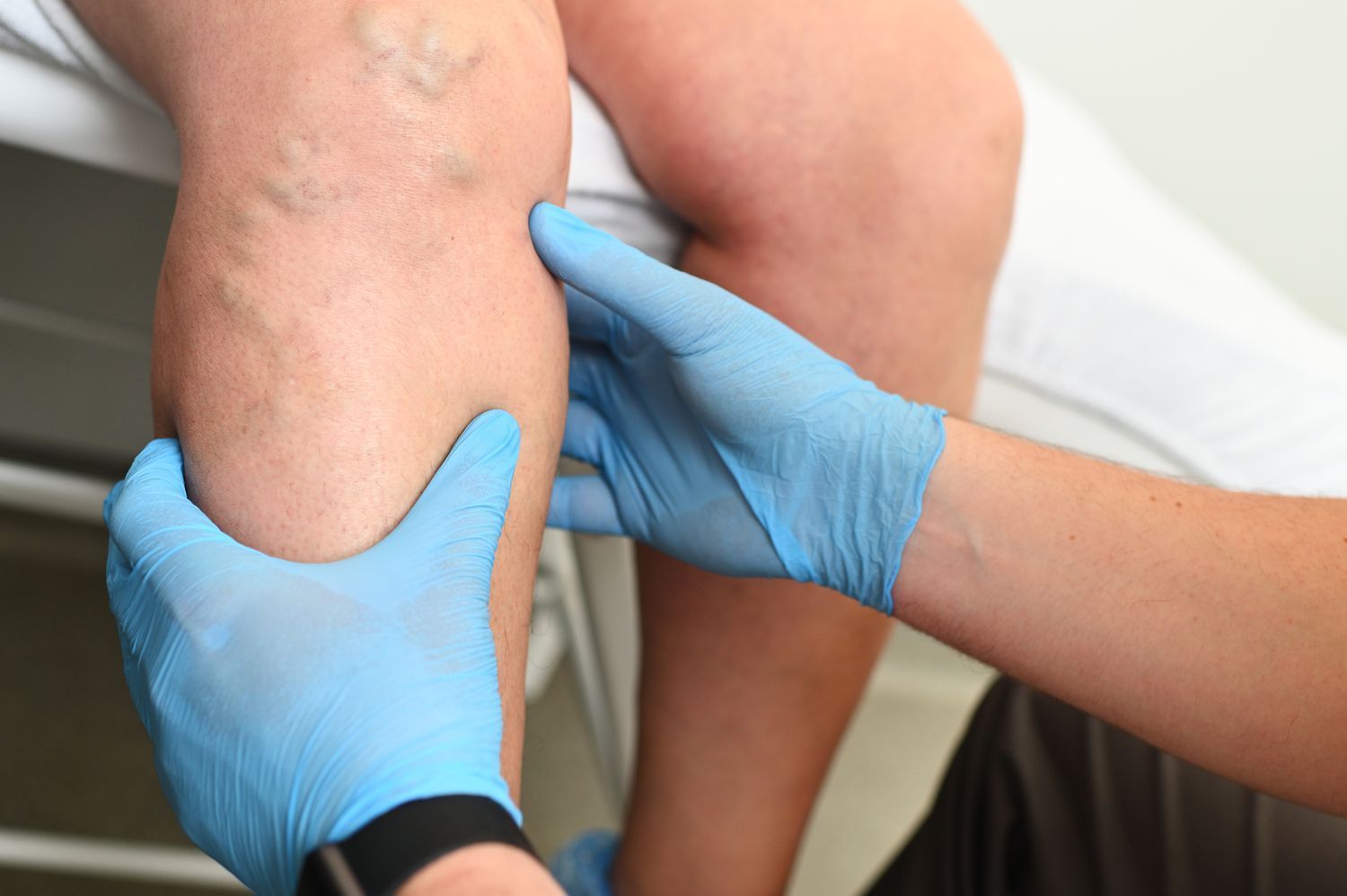
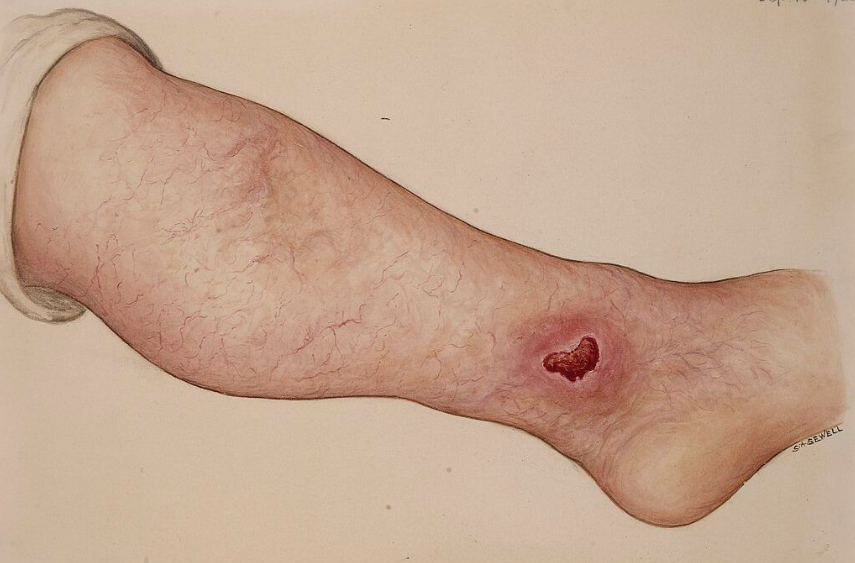
Wounds on the lower leg or foot that refuse to close come down to a handful of underlying causes. Location and appearance hint at which one before any test gets run. Venous wounds, tied to weakened vein valves and pooled blood, sit near the inner ankle and run shallow, with a moist, weeping surface and irregular edges. Arterial wounds caused by restricted blood flow look different. They favor the toes, the outside of the ankle, or the heel, and they appear punched-out, with darker tissue around the rim and very little weeping at all. Diabetic ulcers develop on pressure points, the ball of the foot, under a toe, sometimes with no pain at all to warn the person they are even there.
Sorting a wound into the right category matters because the plan depends on the cause, not on what the wound looks like sitting on the surface. A venous ulcer treated as if it were arterial will keep stalling no matter how good the dressing technique. The reverse is also true. That sorting work is most of what a wound care clinic does on the first visit, before any dressings get chosen.
The Connection Between Circulation and Wound Care Clinic Outcomes
Healing is an oxygen-hungry process. Repair tissue and infection-fighting white blood cells both depend on a steady supply of blood reaching the wound bed, along with the chemical signals that pull tissue closed. When circulation drops, healing slows or stops. No amount of careful dressing on top will make up for what is not arriving from underneath.
That is where a vascular-focused wound care clinic operates differently. When the underlying problem is poor arterial inflow, bandages cannot make up for what the artery is not delivering. The fix has to address the blood supply itself, sometimes through medication and lifestyle changes, sometimes through procedures that physically reopen the narrowed section of artery. Once flow comes back, wounds that had been stuck for months will often start closing within weeks. Topical care still matters during that period, but it plays a supporting role rather than carrying the plan.
Compression therapy works the opposite way around for venous problems. When blood is pooling in the lower leg because the vein valves are not closing properly, calibrated pressure from outside pushes blood back up where it belongs. Swelling drops. The wound stops being flooded with fluid. The tissue finally gets a real chance to heal.
What a Foot Ulcer Specialist Watches for in Diabetic Patients
Diabetic foot ulcers are their own situation, and they are dangerous for a reason most people do not see coming. The combination of nerve damage and reduced circulation that comes with long-standing diabetes means an injury to the foot may not register as painful, even when it is clinically serious. A pebble in the shoe goes unnoticed for hours. A blister forms, breaks open, and gets infected before the person feels anything wrong down there. By the time the wound is visible to a casual glance, the tissue underneath may already be in trouble.
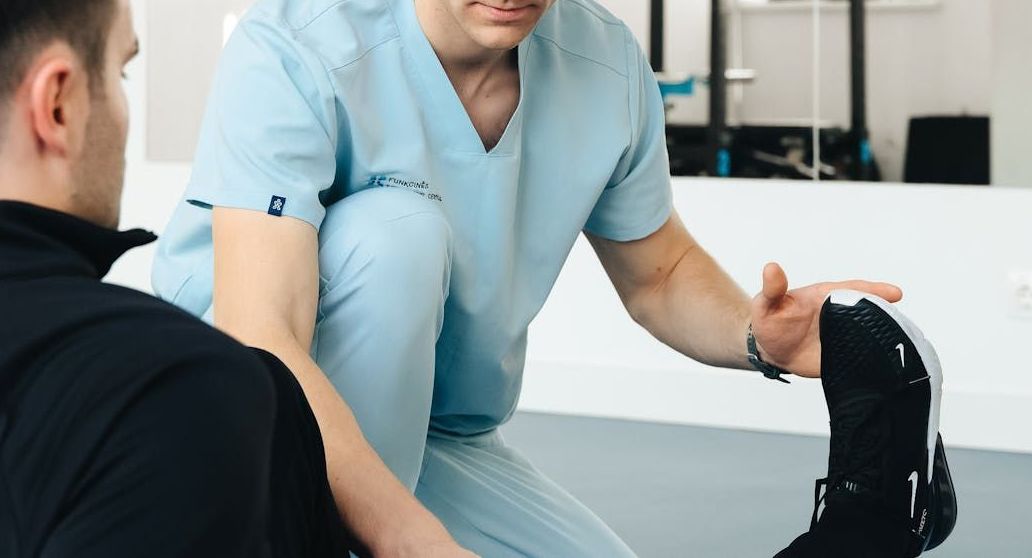
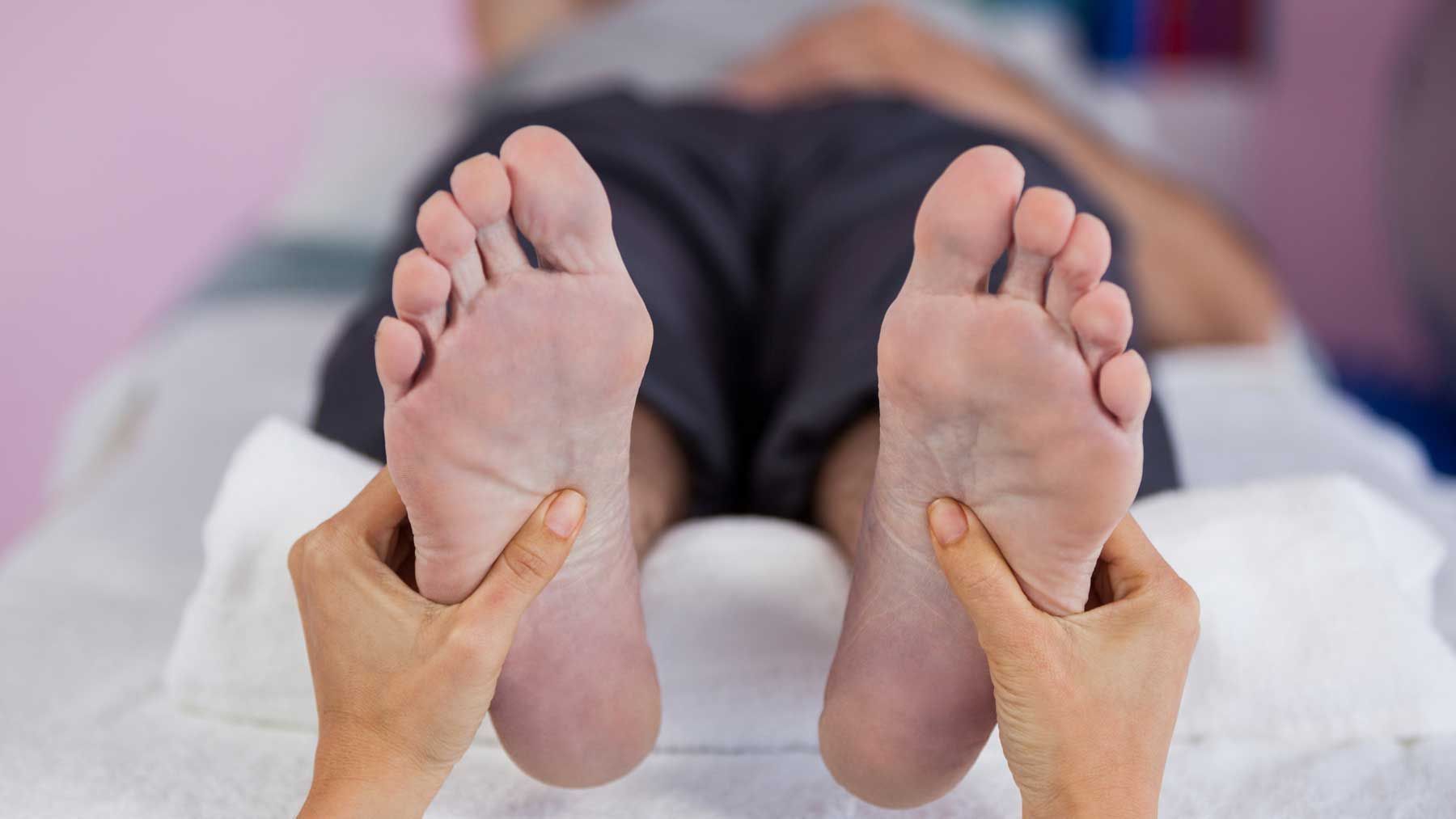
Foot ulcer specialists working out of a wound care clinic look past the wound itself, at the things that put the foot at risk to begin with. The exam includes pulses in the foot, sensation testing for protective feeling, the architecture of the foot from heel to toe, whether the patient can see the bottom of their own foot to check it day to day, and what kind of footwear is being worn through an average week. None of that comes from looking at the wound. It comes from the foot the wound is sitting on.
A few patterns are commonly identified during a first wound care evaluation.
- A wound open longer than three or four weeks without real progress, often after more than one round of dressings tried at home.
- Numbness or tingling that has been around for years, dismissed as part of getting older when the actual source is nerve involvement from the diabetes itself.
- A new callus or pressure point in a spot that never used to develop one. Sometimes this points to a quiet change in gait the patient never noticed.
- Wounds that look small on the surface but probe deeper than expected during the exam. Much deeper, in some cases.
The wound itself gets cleaned, debrided of dead tissue, and dressed in a way that fits the state it is in. The broader work is figuring out why this particular foot is breaking down at all. And what would need to change before another wound shows up somewhere else on it a few months later.
How a Wound Care Clinic Approaches Leg Ulcer Treatment
Leg ulcer treatment at a wound care clinic with vascular capabilities works on two fronts at once. The wound itself, and whatever is keeping it from closing. The first visit is mostly diagnostic. That sounds slow, but it is the part that makes everything after more efficient. A foot ulcer specialist or vascular doctor takes a careful history, then moves to a physical exam covering the wound and the pulses in the foot. An ankle-brachial index test, which compares blood pressure in the foot to blood pressure in the arm, often follows. That single test reveals a surprising amount about whether arterial supply is part of the problem. Duplex ultrasound, where needed, shows the veins and arteries in real time and flags narrowed sections or leaky valves, no needles or radiation involved.
Once the cause is reasonably clear, the plan tends to pull from the following.
- Dressing selection matched to the wound’s current state. Dry, wet, infected, and stagnant wounds all call for different approaches, and the wrong dressing can stall progress for weeks without the dressing itself looking like the issue.
- Debridement, where dead tissue is carefully removed so healthy tissue can grow into the gap rather than having to work around it.
- Compression therapy when venous insufficiency is part of the picture. Pressure too low does not do much. Pressure too high makes things worse. Proper fitting matters more than the type of stocking.
- Procedures to restore blood flow when arterial disease is the underlying limit on healing. Minimally invasive, done through a small puncture rather than an open incision, and recovered from in days rather than the weeks people picture when they hear the word procedure.
Recurring follow-up is part of how wound care works while the wound is active, with the frequency tapering as the wound makes real progress. That repeat contact is most of what makes a wound care clinic actually function. Wounds change in ways that are hard to predict from the start. Plans have to change with them. A single visit rarely captures the full picture of what a wound is going to do.
What Happens at Your First Wound Care Clinic Visit in Hillsdale County
For patients across Hillsdale County and the surrounding parts of southern Michigan, a first wound care evaluation follows a similar pattern no matter where on the leg or foot the wound is sitting. Expect a thorough conversation upfront. How long the wound has been open, what has already been tried, any history of diabetes or vein or arterial issues, what kind of pain or numbness has been part of the picture. The physical exam covers the wound and the broader leg and foot, with pulse checks happening alongside sensation testing and a careful skin assessment.
When diagnostic imaging is needed, duplex ultrasound is performed in the office. The ankle-brachial index test, two blood pressure cuffs and about fifteen minutes, can be done during the same visit. In-office testing means results come back shortly after the test, not days later through a separate facility. That timing piece matters more than people expect once a wound has already been open for weeks. Waiting another two weeks just to find out what is wrong is time the wound does not have to spare.
The goal of the first appointment is to leave with a working diagnosis, a treatment plan, and a follow-up on the books. Where the underlying cause turns out to be circulation-related, the procedural side of leg ulcer treatment can be coordinated through the same office where the wound care itself is happening.
Schedule Leg Ulcer Treatment at Our Wound Care Clinic in Hillsdale
Wounds that should have closed by now are worth getting evaluated, even if they look small to a casual eye. The longer they sit open, the more likely the issue is circulation rather than the wound itself, and circulation is the part that has to change before the wound is going to move. Advanced Veins and Vascular operates a wound care clinic in Hillsdale, serving patients from across Hillsdale County and the surrounding parts of southern Michigan. Diagnostic imaging, vascular evaluation, and the wound care itself all happen in the same office, which keeps the whole process under one roof.
Call (517) 797-5265 to schedule your evaluation. By the end of your first appointment, you should have a clear picture of what is keeping the wound from closing and what the path forward looks like, instead of changing the same dressing one more week and hoping something different shows up on its own.