When Persistent Leg Swelling Calls for a Leg Swelling Doctor in Coldwater
When Persistent Leg Swelling Calls for a Leg Swelling Doctor in Coldwater
Leg swelling shows up for most people at some point. A long flight or a long day on your feet, the ankles puff up a bit, you put the legs up that evening, and by morning things are back to normal. That kind comes and goes. Nothing to worry about.
What is different is swelling that does not go away. The socks leave deep ring marks every single day, the shoes feel tight by mid-afternoon and never loosen overnight, or one leg has just looked larger than the other for months on end now. When swelling stops being an occasional inconvenience and becomes a daily fixture, the body is usually trying to communicate something more specific. That is the point a leg swelling doctor is worth seeing.
What a Leg Swelling Doctor Looks for First
Persistent leg swelling can come from a long list of possible sources, and they do not all behave the same way under examination. The first thing a leg swelling doctor pays attention to is the pattern itself. Is it on one side or both sides? Does it get worse through the day, or stay roughly the same? Beyond that, things like how the skin responds when pressed, how quickly the swelling appeared, and whether raising the legs makes any real difference all feed into the same picture.
Those answers narrow the field a lot before any test gets ordered. Two-sided swelling that worsens through the day and improves when the legs are raised points one direction. One-sided swelling that comes on inside a day or two points somewhere else entirely. Firm, almost rubbery swelling that resists pitting points somewhere different again. None of this is diagnostic on its own. But the pattern tells a leg swelling specialist where to start looking, and that is often most of the work.
Common Causes a Leg Swelling Specialist Sees in the Coldwater Area
Several conditions make up most chronic leg swelling cases. The shortlist looks like this.
- Chronic venous insufficiency. This is easily the most common cause. The valves in the leg veins have weakened over time and blood is no longer returning to the heart the way it should. The result is pooling in the lower legs, with swelling that worsens through the day and improves overnight.
- Lymphedema, which involves the lymphatic drainage system rather than the veins themselves. The swelling here is firmer to the touch. It frequently involves the foot rather than just the ankle and does not respond as well to raising the legs alone.
- Systemic fluid retention from heart, kidney, or liver function issues. The swelling is usually two-sided, and there may be other symptoms in the picture too. Shortness of breath, or weight gain that does not match anything in the diet.
- Side effects from medication. Several common drugs used for blood pressure or inflammation list leg swelling as a known effect, and the swelling resolves on its own once the prescription is adjusted.
- Old injuries or surgeries that disrupted lymphatic drainage in the limb. Sometimes years before the current swelling started showing up. Sometimes in ways the patient never connected to what is going on now.
A vascular practice focuses most heavily on the venous and lymphatic causes. Both involve the circulatory pathways those clinics handle every day. Where the cause turns out to be cardiac, renal, or hepatic, the leg swelling doctor brings in the appropriate specialist while still handling whatever vascular component happens to be at play.
Chronic vs. Sudden Swelling and When Each Calls for a Leg Swelling Doctor
Timing matters a lot here. Swelling that has been gradually present for months involves mechanisms that have been at work for a while already. An evaluation in the next week or two is fine. Swelling that comes on within hours or a day, especially in one leg, is a different situation entirely. Sudden one-sided swelling can indicate a blood clot in a deep vein. That is something to address the same day, not something to schedule out for next month.
A leg swelling doctor sees both versions, but the workup is different depending on the timeline. Chronic swelling gets a thorough vascular evaluation aimed at identifying the underlying cause and building a long-term management plan. Sudden swelling gets prioritized to rule out a clot first. Everything else falls in line after that result is back. Both matter. The difference is mostly about urgency.
If the swelling has been around for months and you are reading this on a Tuesday wondering whether it can wait until your next free day, it almost certainly can. If the swelling is new, on one side, and the leg feels warm or tender to the touch, that one is a same-day call.
How a Leg Swelling Specialist Diagnoses the Source
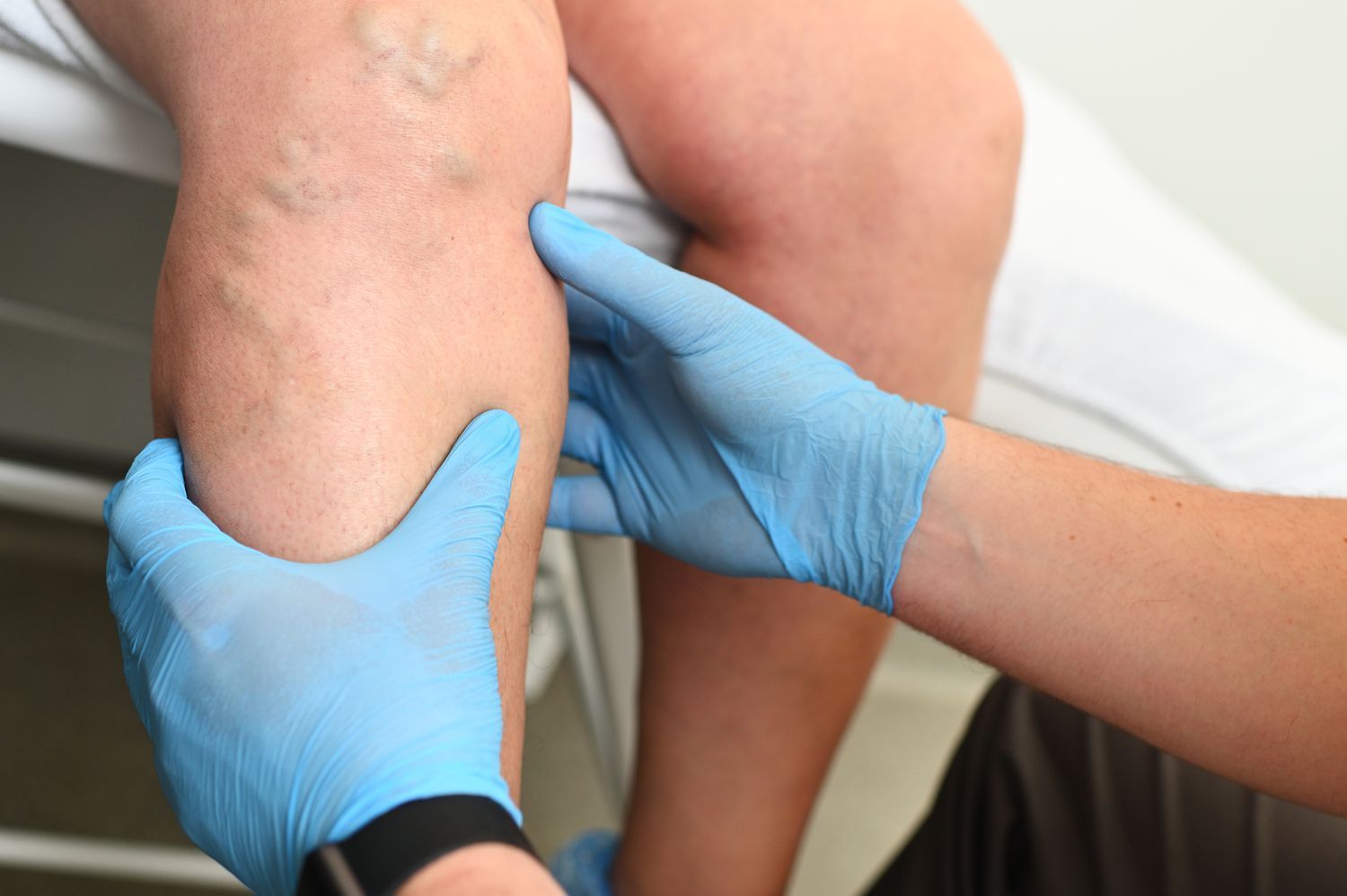
Diagnosis at a vascular-focused leg swelling specialist starts with the conversation, then a hands-on exam. The physician feels the legs, presses on different areas to see how the tissue responds, checks pulses in the foot, and looks for skin changes that point to chronic venous problems or lymphatic issues. A leg that has been swollen for years often shows changes in skin color and texture. The way the tissue feels under pressure tells its own part of the story too.
From there, the most useful single test for vascular causes is duplex ultrasound. It shows the veins and arteries in real time and flags vein valves that are not closing properly. Narrowed or blocked sections show up clearly too. The same exam rules out an active clot. Twenty minutes or so. No needles, no radiation. Results come back right after the test, not days later through a separate report.
Where lymphedema is the suspected cause, the workup looks at limb circumference alongside the firmness of the swelling and how the involvement is patterned across the leg. Lymphatic causes call for a noticeably different approach than venous ones. If systemic causes are on the table, blood work and coordination with the patient’s primary doctor or cardiologist follow before any treatment plan gets finalized.
Treatment Options Once a Leg Swelling Doctor Has Identified the Cause
Treatment depends entirely on what the cause turns out to be, which is why diagnosis has to come first. Once the source is reasonably clear, a leg swelling doctor builds a plan around the specific mechanism. Not around the swelling itself.
For chronic venous insufficiency, the plan often pulls from the following.
- Medical-grade compression stockings worn during waking hours, on most days of the week. Pressure calibrated to the leg, fit matched properly to the limb. The result is nothing like anything sold over the counter at a pharmacy.
- Vein procedures that close off the malfunctioning vein and redirect flow to healthier ones nearby. These are minimally invasive and done in the office. Most patients walk out the same day they walked in and are back to normal activity within a day or two.
- Lifestyle adjustments. Raising the legs where possible through the day, breaking up long stretches of sitting or standing without movement. Weight management when that fits the picture.
Lymphedema treatment looks different from the venous side. The condition is managed rather than cured outright. The goal is to keep the swelling under control while heading off the cycle of skin breakdown and infection that can develop when it is left to progress unaddressed. Compression therapy and specialized exercises designed to encourage lymphatic flow form the core of most plans. Specifics depend on which limb is involved and how far things have already progressed.
When the swelling traces back to a medication, sometimes the simplest answer is a conversation with the prescribing doctor about possible alternatives. When systemic conditions are involved, the leg swelling specialist becomes part of a broader care team. Not the sole point of contact for the patient. The whole point of the evaluation is figuring out which of those situations you are in, because the right plan looks very different depending on the answer.
Schedule an Evaluation With a Leg Swelling Doctor Serving Coldwater
Leg swelling that has stopped going away on its own is worth getting looked at, both for the comfort issue itself and because some of the underlying causes get harder to treat the longer they go unaddressed. Advanced Veins and Vascular sees patients from across the Coldwater region and the surrounding parts of southern Michigan. Diagnostic ultrasound, vascular evaluation, and treatment planning all happen in the same office.
Call (517) 797-5265 to schedule with a leg swelling doctor who can identify what is actually driving the swelling and build a plan around the source rather than the symptoms. By the end of your first appointment, you should have a working diagnosis and a clear sense of what comes next, instead of pulling on the same too-tight socks one more morning and wondering when this will finally settle on its own.