What a Leg Swelling Doctor in Michigan Checks Before Recommending Treatment
Legs swell for a long list of reasons, and from the outside a good number of them look identical. Veins, lymphatics, the heart, the kidneys, a medication started three weeks ago, all of it can show up as the same puffy ankle by evening. So the first real task at an appointment is narrowing that list down to whichever system is actually generating the fluid.
Advanced Veins & Vascular works that out with diagnostic ultrasound. The reason it matters this early is that the treatments diverge quickly. Compression is the right answer for a venous problem, an arterial one calls for a different approach entirely, and identifying which you have is what lets the treatment do lasting work.
Dr. A. Karim Abushmaies is board certified in vascular surgery and holds a Certificate of Added Qualification in Vascular Surgery from the Royal College of Physicians and Surgeons of Canada, along with RPVI certification in vascular interpretation. What follows is roughly how a leg swelling doctor works the question through, and why each piece of it changes the recommendation at the end.
When Should You See a Doctor About Leg Swelling?
Sudden swelling in one leg, arriving with pain, warmth, or a change in color, is worth a same-day appointment. Blood clots can present that way, and they respond well to treatment when they are picked up early, which is the whole reason the timing is worth acting on.
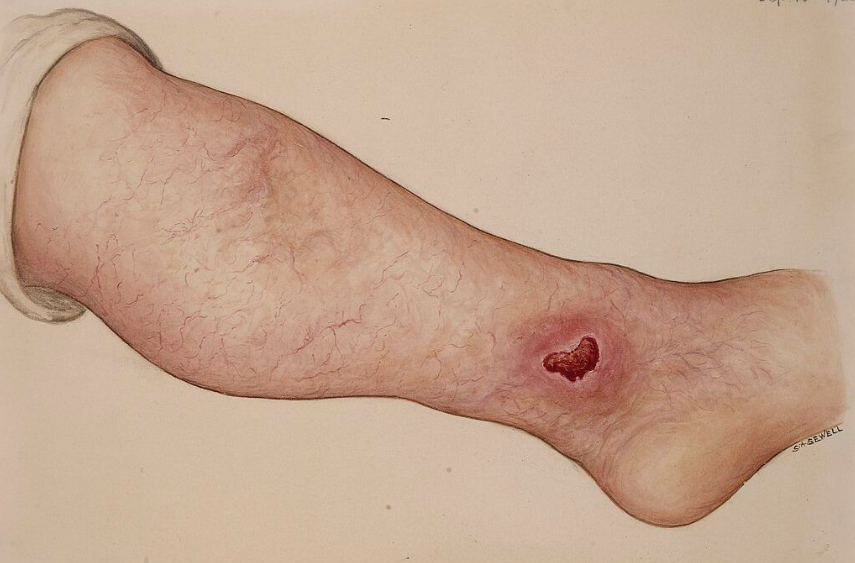
Slower swelling gives you more room to work with, and legs that fill through the day and go back down overnight usually indicate something on the venous or lymphatic side, so waiting a few weeks for an appointment is reasonable. The sign worth moving on sooner is skin change, since darkening or stiffening around the ankle indicates the venous side has been working under pressure for a while, and that tends to be the point where treatment makes the most visible difference.
Swelling that turned up after a new prescription deserves a separate mention. Some blood pressure medications, calcium channel blockers in particular, cause ankle edema on their own, and a quick conversation with the prescriber can often settle it.
Why Swelling in Only One Leg Narrows Things Down Fast
Asymmetry does most of the diagnostic work early on. One swollen leg points local, which narrows things to a clot, a vein that has stopped working properly, damage to the lymphatic channels from an old injury, or scarring higher up in the pelvis or groin from previous surgery.
Two swollen legs widen the search considerably, and now the heart is on the list, and the kidneys, and the liver, and any number of prescriptions, alongside venous insufficiency that happens to be affecting both sides at once.
This is where seeing a vascular doctor pays off in either direction. A leg swelling specialist who scans the veins and finds them clear has narrowed the field considerably, and your primary care doctor then knows exactly where to look next. A clear scan is a useful result in its own right.
Diagnostic Ultrasound at Advanced Veins & Vascular
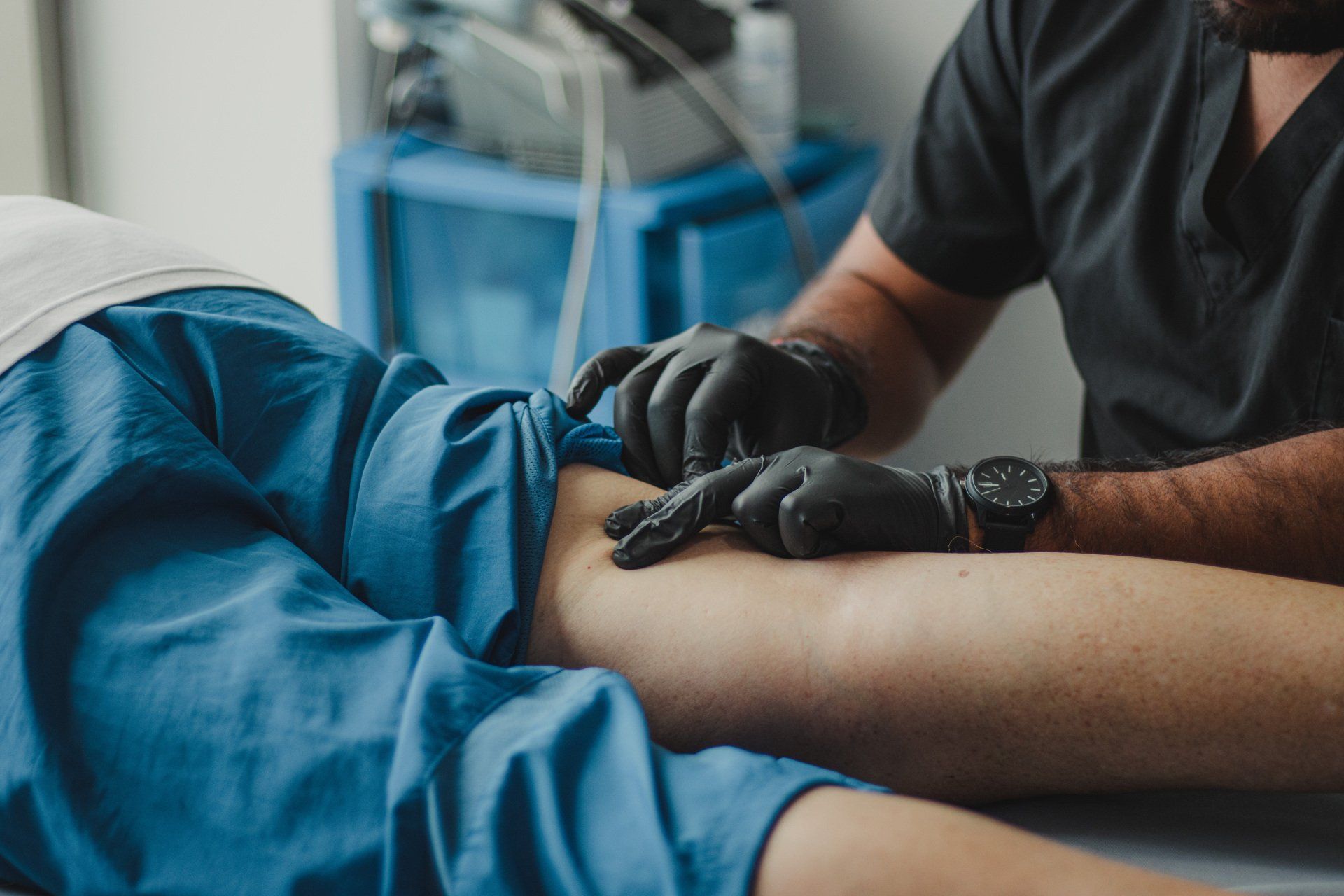
Duplex ultrasound settles most of this, and Advanced Veins & Vascular offers rapid diagnostic ultrasound for exactly that reason. The scan looks at two things at once, whether blood is flowing backward through valves that should be holding it, and whether a clot is sitting anywhere in the deep or superficial system.
A vascular workup for swelling generally moves through four stages, and the scan is only the third of them.
- Symptom history. When it started, whether it rises through the day, what has already been tried, and whether it has ever fully gone away.
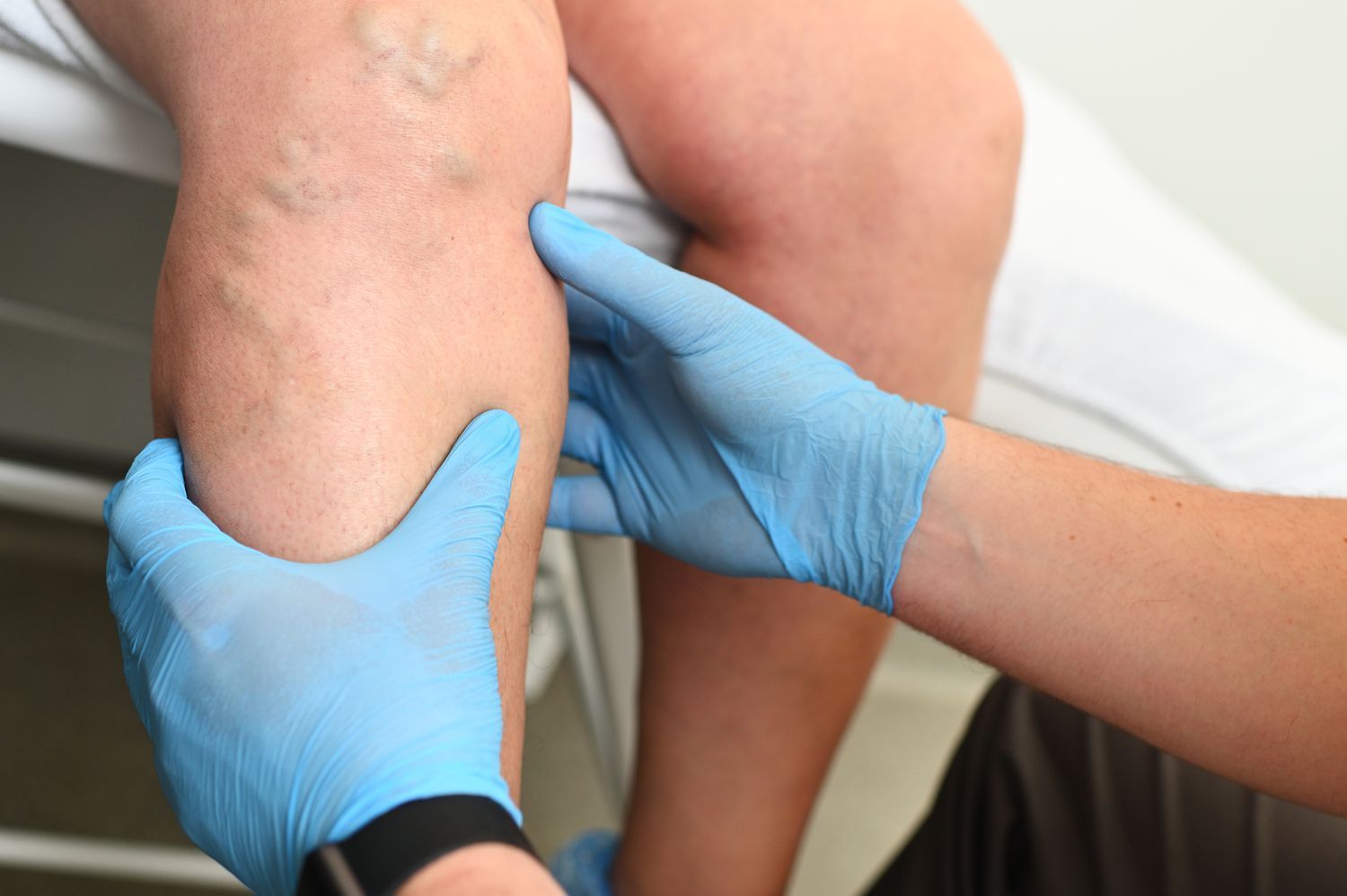
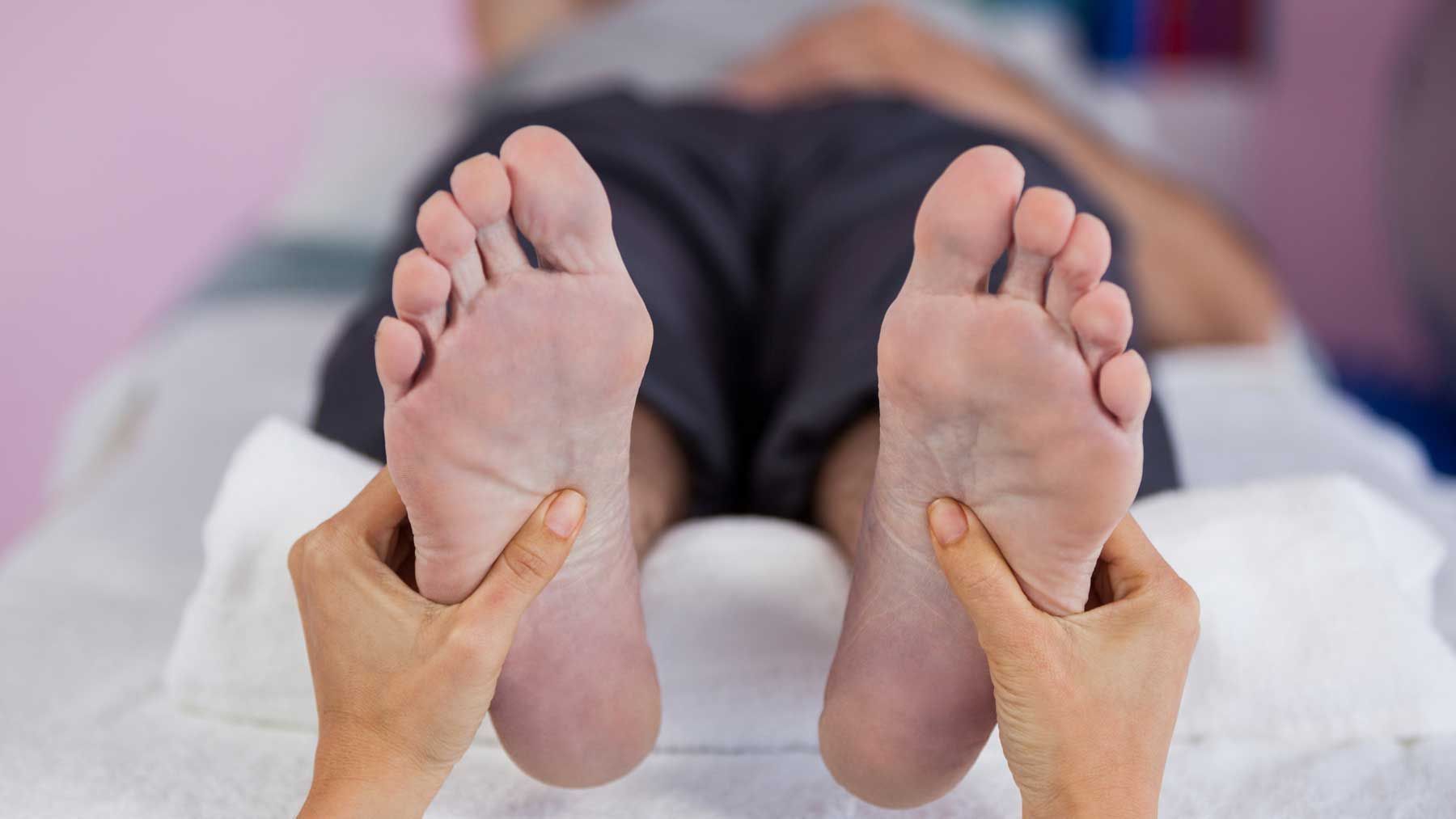
- Physical exam. Skin texture and color, plus whether the swelling pits under thumb pressure. Foot pulses get checked here too, which confirms the arterial supply is healthy before compression enters the plan.
- Duplex ultrasound. The scan described above.
- Diagnosis, then options. Treatment at the practice runs from medication management through to catheter-based procedures, and where you land on that range depends on what the first three stages turned up.
The sequence matters more than it looks, since a history of swelling that peaks by evening and resolves after a night lying flat has already suggested venous insufficiency before anyone picks up a probe, and the ultrasound is then confirming a suspicion it did not generate on its own.
Leg Swelling Often Has More Than One Cause at Once
Venous insufficiency and lymphedema get filed as two conditions. In a lot of legs they are the same process at two different points.
The link between them runs through pressure, because veins that cannot clear blood out of the leg efficiently push it back into the smaller vessels, and venous hypertension is the term for that. Sustained long enough, that pressure interferes with the lymphatic system's ability to pull fluid out of the tissue, which is how a venous problem gradually takes on a lymphatic component as well.
Lymph node removal during cancer treatment is the cause most clinicians think of first, and it is a real one. Congenital failures of lymphatic development account for a share as well, and trauma or infection can disrupt the system too. In the United States, though, venous insufficiency appears to be among the most common drivers of the whole thing.
Which is the practical part. Scanning the veins alongside the lymphatic assessment tends to make a compression plan more durable, because it shows whether there is a venous component available to treat as well. Fair thing to raise at a vein clinic before settling into a long-term plan.
Can Leg Swelling Be Treated Without Surgery?
Usually, yes. Manual lymphatic drainage, a gentle massage technique that stimulates the lymphatic system, tends to be among the first things tried for lymphedema, and compression therapy and graded exercise handle a good portion of what remains, with lifestyle adjustments doing the rest.
Where the cause turns out to be venous, the corrective procedures are still not open surgery. Radiofrequency ablation, endovenous laser treatment, and ultrasound-guided foam sclerotherapy all work through a catheter or a fine needle, which is where the reduced trauma and the lighter anesthetic requirement come from.
Results build steadily where lymphedema has been present for years, and the target is a leg that is smaller, more comfortable, and healthier at the skin, with comfort often improving ahead of the measurements. Knowing what the plan is working toward makes the early weeks of it much easier to stick with.
Seeing a Leg Swelling Doctor in Michigan
Advanced Veins & Vascular runs offices at 3271 W. Carelton Rd. Suite #2 in Hillsdale and 605 W. Chicago St. Suite #2 in Coldwater, Monday through Friday, 8 to 5, and the practice also serves Adrian, Jackson, and Sturgis. Booking runs through (517) 797-5265, or you can get in touch through our site.
What that first appointment should produce is an actual answer, which system is driving the swelling, whether a clot has been ruled out, and what the options look like for the specific cause you turn out to have. If the veins come back clean, you leave knowing that too, and knowing where the question goes next.