Effective Varicose Veins Management in Hillsdale and Coldwater
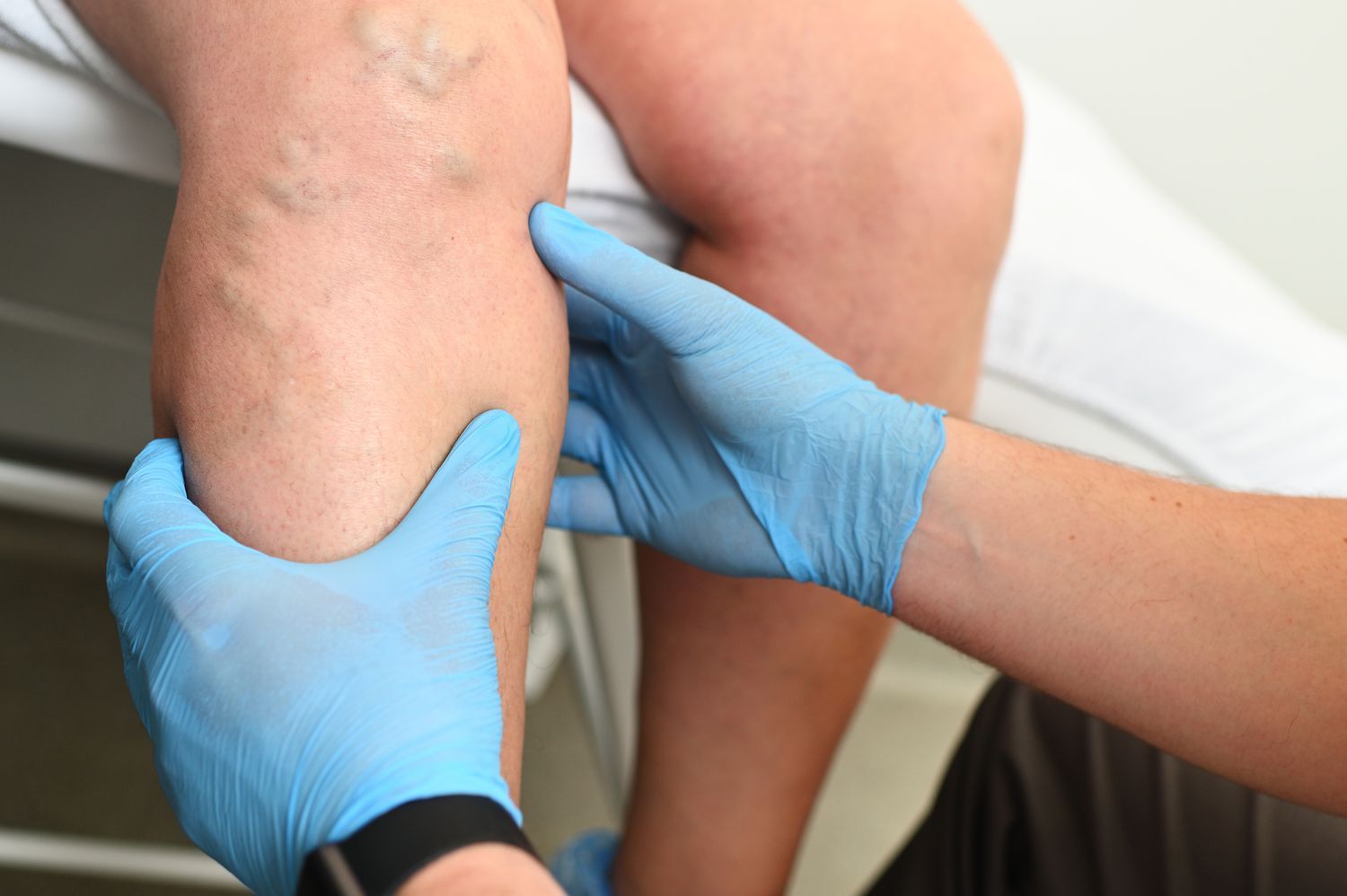
Circulation in the legs has to work incredibly hard to push blood upward against gravity. Tiny one-way valves inside the leg veins carry the primary burden of this daily process. They close constantly to hold the blood up in between heartbeats. When those valves lose their effectiveness from age or genetics, blood flows backward and collects in the lower calf. Pressure builds up steadily inside the vessel. Over time, the extra pressure causes the veins to stretch. They can eventually bulge and become visibly enlarged beneath the skin.
Patients do not have to live with the discomfort of failing veins. Advanced Veins and Vascular offers modern medical treatments for residents in Hillsdale and Coldwater, Michigan. Modern procedures shut down the affected pathways safely and comfortably. The human leg contains a large network of deep veins safely protected inside the calf muscle. The body automatically reroutes the blood to those deep, healthy vessels the moment a surface vein is treated. Swelling goes down and legs feel light again.
What happens if you ignore the pooling blood?
Ignore that trapped fluid and the physical pressure keeps rising inside the lower leg. Blood vessels can only handle so much internal force before they begin releasing fluid into the surrounding calf tissue. The leg feels heavy and tired by dinner time. Shoes get tight around the bridge of the foot. The skin around the ankles can also begin to change color or become irritated due to the underlying pressure. Compression socks offer physical support to push the fluid out of the tissue. They manage the symptoms but never repair the physical damage to the valve.
Slow circulation can also increase the risk of developing a clot. A deep clot changes the medical situation immediately. A leg blood clot doctor must step in right away if the calf suddenly becomes unusually warm, tender, or swollen. They evaluate the limb to safely manage the clot. Vascular screening catches these dangers early before emergencies happen. A trained carotid specialist will even evaluate the neck arteries if the overall circulatory system shows signs of widespread poor flow. Everything connects inside the body.
When should you see a leg swelling doctor?
Persistent puffiness points to a circulation issue that needs professional attention. Look closely at the ankles at the end of a long day. If they lose their normal shape entirely, the vessels are struggling to return blood to the heart. Press a finger gently into the shin area. If a visible dent remains after pulling the finger away, the tissue is holding excess water. See a leg swelling doctor if that puffiness stays through the night after elevating the feet.
Swelling on just one side of the body acts as a clear warning sign. Unilateral swelling almost always points to a specific physical blockage in that limb rather than general fluid retention. Finding the exact blockage requires a specialist examination. Ultrasound technology reveals the exact spot the blood stalls and actively reads the speed and direction of the flow. It maps every single affected valve from the groin down to the ankle. The technician can observe the exact direction of blood flow on the monitor. Every single treatment decision relies entirely on that highly specific map.
How does vascular claudication treatment help you walk?
Walking should never hurt. If the calves tighten or cramp during a short trip to the mailbox, the leg arteries are likely narrowing. Veins return blood to the heart while arteries supply fresh oxygen to the legs. Muscles demand oxygen to move comfortably. Narrowed arteries cannot deliver that oxygen fast enough during exercise. This causes the leg muscles to cramp or ache. Stop walking and the demand drops. The discomfort fades away within a few minutes.
This specific cycle defines vascular claudication. Vascular claudication treatment carefully opens those narrowed pathways from the inside. A tiny balloon attached to a flexible wire slides directly into the affected artery. The balloon gently stretches the pathway open. A small metal stent often follows to hold the walls apart permanently. Restore the arterial flow and patients can walk through the grocery store without constantly searching for a bench. The muscle finally gets the oxygen it needs to function properly.
Why go to a dedicated wound care clinic?
High vein pressure can eventually affect the health of the skin. The constant swelling blocks fresh oxygen and nutrients from reaching the surface layers. The affected area struggles to maintain healthy tissue. Even a minor scrape can turn into a sore that is very slow to heal. Some of these wounds remain open for months if left alone.
Standard drugstore bandages will not cure a venous ulcer. A dedicated wound care clinic treats the actual source of the tissue damage instead of just covering it up. Applying over-the-counter ointments to the surface accomplishes very little if the pressure inside the leg remains high. The internal pressure must drop before the surface cells can properly recover. Fix the underlying circulation flow and the skin finally heals for good. Advanced wound therapies rely entirely on fixing the circulation first.
Begin your Varicose Veins Management with a local vascular surgeon
Treating vein concerns require understanding the exact anatomy of the leg. Patients need clear answers backed by precise medical imaging. A board-certified vascular surgeon evaluates the entire cardiovascular system rather than just looking at the surface level. They map out the superficial veins to locate the exact source of the high pressure. Checking the deep veins and the surrounding arterial supply happens next. Complete diagnostic evaluations prevent missed diagnoses and confirm the right procedure happens the first time. Contact Advanced Veins and Vascular to build a real treatment plan. Regain mobility today.