Leg Pain While Walking: When to Seek Vascular Claudication Treatment
Imagine this: you are walking through a parking lot when cramps hit your calf muscles. You stop, wait a moment, and it goes away, only for it to return three aisles later at your grocery store - in its familiar spot, intensity, and pattern!
Leg pain may seem random at times, but in fact it could be your circulation sending a warning signal that should not be ignored. I have treated hundreds of patients who had this pattern of leg pain in Coldwater and Hillsdale County and know from experience that early action makes all the difference in outcomes.
Vascular Claudication and Leg Pain Treatment
Vascular claudication refers to leg cramping or pain triggered by activity and relieved with rest. It derives its name from Latin, where limp means discomfort - this makes sense when considering that many patients adjust their walking pace in response to it.
What happens in your legs is this: due to plaque buildup, your arteries have narrowed, restricting blood flow. As long as you remain still or sitting still, your muscles can adapt with reduced oxygen delivery; but once walking begins and muscles contract more vigorously, their oxygen requirements increase rapidly - leading to cramped leg muscles and cramping symptoms.
Patients tell me they can predict almost exactly when the pain will begin - possibly within one block, or perhaps after fifty feet. Predictability serves as a powerful diagnostic indicator.
Why You Need to Seek Medical Help
Most cases of vascular claudication result from Peripheral Artery Disease, or PAD. Atherosclerosis in your leg arteries - similar to heart attacks - causes plaque accumulation, which narrows them, cutting off blood flow to active legs muscles that need oxygen for activity. Without treatment from a PAD specialist, symptoms could worsen leading to leg cramps that prevent activities.
Between 8-12 million Americans currently suffer from PAD. Many may not realize it because their symptoms can easily be dismissed as age or arthritis-related; but this condition is serious: when plaque builds up in leg arteries, chances are it is also building elsewhere - increasing your risk for heart attack and stroke significantly.
At Advanced Veins and Vascular, we understand the importance of early evaluation and treatment for PAD can prevent progression while safeguarding overall cardiovascular health. At our center, we conduct comprehensive assessments in order to gain an accurate picture of what's happening with your circulation. For this reason, seeing a PAD specialist should never be considered optional. In fact, early evaluation is often successful at stopping further progression as early intervention reduces severity and progression rates over time. At our practice we start off with thorough assessments in order to diagnose what exactly is occurring within your circulation - or otherwise known as 'PAD specialist '
Warning Signs That Need a Vascular Specialist
Cramping pain when walking is often your body's first warning sign, but other symptoms may also appear:
- Unusual tiredness or weakness in your legs even between episodes of coldness or numbness in lower legs or feet
- Color changes when elevating legs
- Shiny appearance to skin on legs
- Nails growing slower than usual
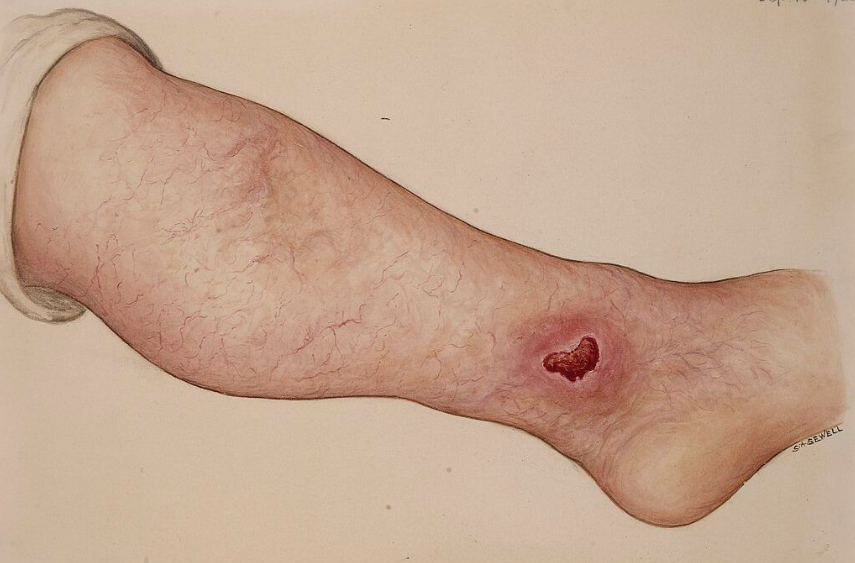
- Sores or cuts that take weeks to heal.
- Sluggish or absent pulses in your feet
This red flag calls for immediate attention: pain during rest or night time restlessness is indicative of circulatory issues; if it hurts to try sleeping and causes leg cramping that makes sleeping impossible then immediate medical evaluation from a vascular specialist is warranted.
Risk Factors for Leg Pain Treatment Patients
Certain risk factors dramatically increase your chances of vascular claudication and PAD. Smoking tops the list; if you currently smoke or used to smoke, your risk increases exponentially; in my practice, I have observed the correlation between severe PAD and smoking as one of its effects, with quitting being one of the single most powerful interventions available to help your condition.
Diabetes accelerates arterial disease. High blood sugar damages blood vessels over time, increasing your chances of PAD and often making symptoms more severe. If you're diagnosed with diabetes and experiencing leg pain when walking, do not hesitate to seek medical assistance immediately. Other major risk factors for PAD include high blood pressure and cholesterol levels as well as age over 50, family history of cardiovascular disease, as obesity (which contributes to PAD as well), and inactive lifestyle.
Are you experiencing leg pain due to multiple risk factors and need a professional assessment? At Advanced Veins and Vascular in Hillsdale County and Coldwater, our team offers expert leg pain treatment solutions.
Not Every Case of Leg Pain Should Point to Vascular Claudication
Not every instance of leg pain points towards vascular claudication. Spinal stenosis may also produce similar neurogenic claudication symptoms; the difference being that spine issues often improve when you lean forward or sit, while vascular issues typically improve with rest regardless of posture or position.
Deep Vein Thrombosis can present itself in various ways; sudden pain, significant swelling, warmth and redness could all be symptoms of DVT. When these symptoms emerge following surgery, long flights or pregnancy, medical attention must be sought immediately - not scheduled appointments later on.
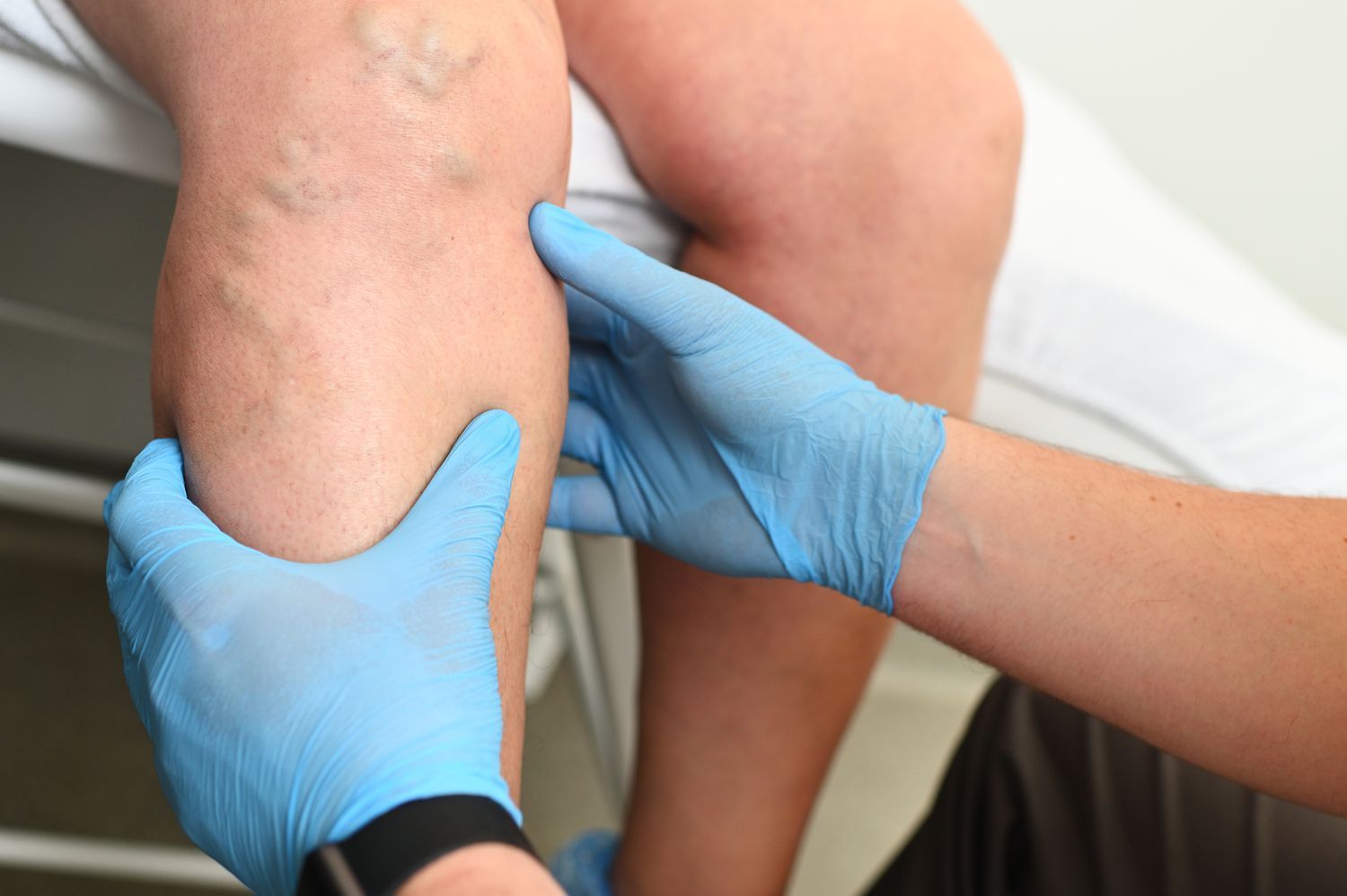
Venous insufficiency causes heavy, achy legs that worsen throughout the day and swelling that increases throughout the day. Since this issue involves veins rather than arteries, treatment options must differ accordingly.
Finding a qualified leg specialist in Coldwater & Hillsdale County is key for diagnosing what's causing your symptoms accurately, leading to effective treatment plans and lasting solutions.
How We Diagnose Vascular Claudication Treatment Needs
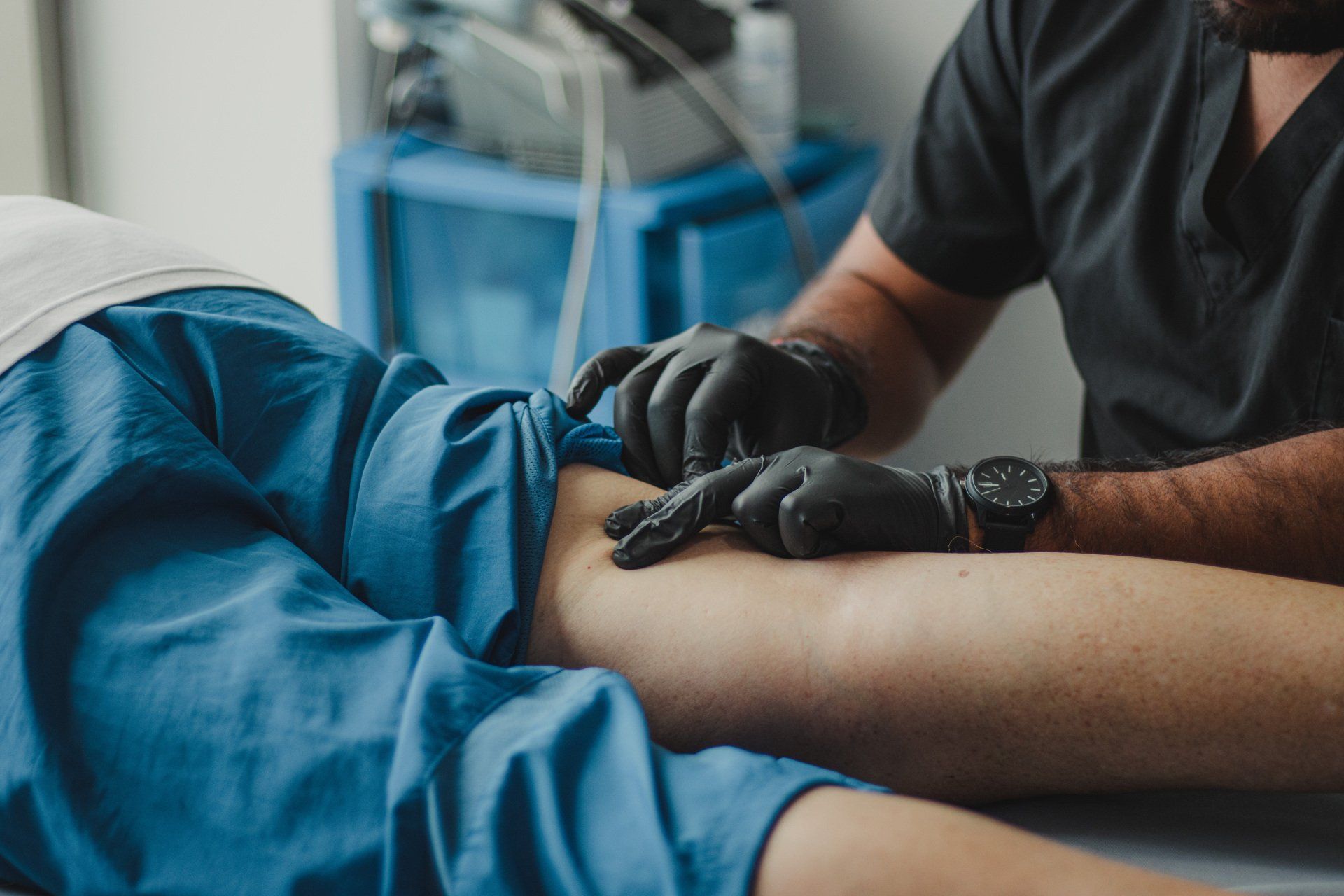
At Advanced Veins and Vascular, when it comes to leg pain evaluation, we start with an in-depth discussion about your symptoms and medical history before moving on to objective testing.
Ankle-brachial index tests are typically the starting point. We measure blood pressure in your ankle and compare it to that of your arm - all within 15 minutes, without discomfort - providing immediate information if circulation to your legs has become impaired.
Ultrasound imaging allows us to see exactly what's happening inside your arteries at any moment in real time, providing us with real-time images that allow us to detect narrowing, measure blood flow velocities and pinpoint exactly where blockages exist. Sometimes we will have you walk on a treadmill while monitoring symptoms; recreating the problem in such a controlled setting helps confirm its diagnosis.
For more precise imaging, we can use CT or traditional angiography. These three-dimensional maps of your arteries help us better plan an effective treatment approach.
Effective Vascular Claudication Treatment Options
Treatment for vascular claudication should focus on three goals. They are to relieve your symptoms so you can walk without pain; improve quality of life and independence; and stop PAD from progressing further to more serious complications.
Lifestyle Changes That Actually Work
Supervised walking programs are supported by robust research. Their approach may seem counterintuitive but is actually effective: Walk until pain sets in, rest until it has subsided, then walk again. Repeat several times each week until your body develops collateral vessels to bypass blockages more naturally.
Ceasing smoking should not be negotiable. Your arteries will respond, and symptoms should improve even without further interventions.
Diet changes designed to manage cholesterol are designed to promote better plaque prevention. By increasing vegetables, whole grains, and lean proteins while decreasing consumption of saturated fat and processed foods, your goal should be to prevent additional plaque buildup.
Most patients diagnosed with PAD require medical management. Antiplatelet drugs like aspirin or clopidogrel help prevent blood clots from forming; statins reduce cholesterol while helping stabilize arterial plaque; while blood pressure medications keep this under control.
Cilostazol may help some patients walk farther before experiencing pain, though there are restrictions (can't take it with heart failure), however when effective patients notice real improvement.
Minimally Invasive Procedures
When conservative measures don't do the trick, we offer minimally invasive solutions. An angioplasty uses a balloon to stretch open narrowed arteries. We may then place a stent (small mesh tube) to keep them propped open. Finally, atherectomy tools can remove plaque directly from within an artery wall.
These procedures involve making a tiny puncture through which local anesthesia is administered to you while awake. Most patients can go home that same day, with recovery measured in days rather than weeks - one of the greatest advances in treating PAD over the last 20 years.
Surgery May Be Necessary
Bypass surgery remains an option for extensive blockages. We create a detour around it using healthy veins from elsewhere or synthetic grafts; although more involved than endovascular procedures, you'll spend at least one night in hospital while recovery takes longer. But sometimes surgery remains the best option for lasting results.
Leg Pain Treatment
Untreated claudication does not remain stable over time; rather, it worsens. At its worst stage, critical limb ischemia occurs when blood flow drops dangerously low even at rest; when this happens, you're faced with constant discomfort, non-healing wounds, and real risk of amputation.
Leg ulcers caused by poor circulation require special care to heal properly and avoid infection, and Advanced Veins and Vascular offers wound care services as part of our practice.
PAD also puts you at higher cardiovascular risk overall; people living with PAD tend to have increased rates of heart attack and stroke, making treatment for PAD about protecting all aspects of vascular system health rather than solely targeting legs.
When to Visit a Vascular Specialist in Michigan
Schedule an evaluation if any of the following symptoms exist in you:
- Predictable leg pain or cramping that begins with walking
- Nighttime leg pain that interferes with sleep
- Persistent swelling in legs
- Wounds or sores that won't heal normally
- Temperature changes in legs
- Numbness or weakness impeding your mobility
Sudden leg pain combined with coldness or numbness should always be considered an emergency - it could indicate complete arterial blockage or an acute blood clot, prompting immediate action to seek medical advice at once. Seek emergency help immediately!
Assuring the Best Leg Pain Treatment
Vascular claudication can be managed effectively with proper treatment. Most of my patients see significant progress after starting with treatment - they walk farther, experience less discomfort and return to activities they had given up due to leg pain. But success requires staying engaged with treatment plans in order to experience lasting improvement.
Regular follow-up appointments allow us to monitor your progress and adjust your treatment plan as necessary. Medication reviews must take place periodically, while exercise programs might need adjustments at times. In addition, symptoms can change rapidly; we need to stay ahead of any potential progression.
Schedule Your Evaluation With Advanced Veins and Vascular
Is leg pain limiting your activities? Advanced Veins and Vascular can assist. Our specialists specialize in diagnosing and treating peripheral arterial disease (PAD). We serve Hillsdale County and Coldwater residents in Michigan using cutting-edge diagnostic tools and minimally invasive treatment techniques.
Our team has the expertise to quickly diagnose the source of your symptoms and devise an individualized treatment plan to address them. From medication management, minimally invasive procedures, or surgical interventions, all are provided under one roof at our center of excellence.
Reach out to Advanced Veins and Vascular to schedule your consultation, where we will discover the cause of your leg pain and offer solutions that won't hinder living the life you want. Don't let circulation problems stop you from living the life you deserve!