Management of Diabetic Ulcers Due to Arterial Insufficiency

5 January 2022

Diabetes has emerged as one of the most significant health problems. About 10% of people are living with diabetes globally, including in the US. However, what is worrisome is that cases of diabetes continue to rise. Data shows that one-third of the US population is also living with prediabetes.

Diabetes causes numerous complications. It is especially bad for nerve and vascular health. Thus, diabetes causes complications like increased risk of cardiovascular diseases, peripheral vascular disorders, kidney disease, retinopathy, and diabetic ulcers.


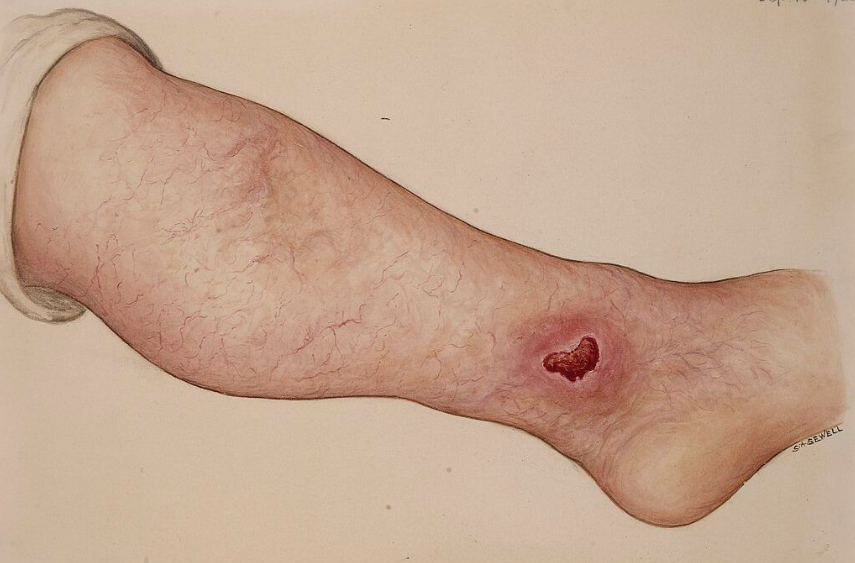
Diabetic ulcers most commonly occur on the lower extremities (legs and feet). Poorly managed diabetic ulcers are the leading cause of amputations after trauma. If inadequately treated, ulcers penetrate the full skin thickness, get severely infected, and ultimately require amputation.


Understanding diabetic foot ulcers


Treating diabetic foot ulcers is quite complicated and requires a multidisciplinary team. It appears that there is a unique role of vascular surgeons and interventional radiologists in managing these ulcers and preventing amputations.


Studies show that there are two primary causes of foot ulcers in diabetes; purely neuropathic, purely ischemic (vascular issue), and mixed. It is estimated that just about 35% are purely neuropathic. Conversely, 65% of all ulcers are either purely ischemic/vascular or mixed.


Regretfully, for decades the role of peripheral arterial disease (PAD) was ignored in the diabetic foot. It may explain why the clinical outcomes were so bad. However, in recent years, the approach to the diabetic foot has changed. Most researchers now realize that PAD plays a significant role in the diabetic foot.


One of the most extensive studies to date, called The EURODIALE study, shows it is vital to differentiate diabetic ulcers based on the presence or absence of PAD. It is because those with PAD have a much lower healing rate. Moreover, such ulcers are at a greater risk of getting infected. But even worst, PAD ulcers are much more likely to end with food amputation.


How can doctors know if the diabetic ulcer is due to arterial insufficiency?


Thus, it is vital to differentiate between the neuropathic and PAD ulcers in diabetes. These are two quite different kinds of ulcers requiring different treatment approaches.


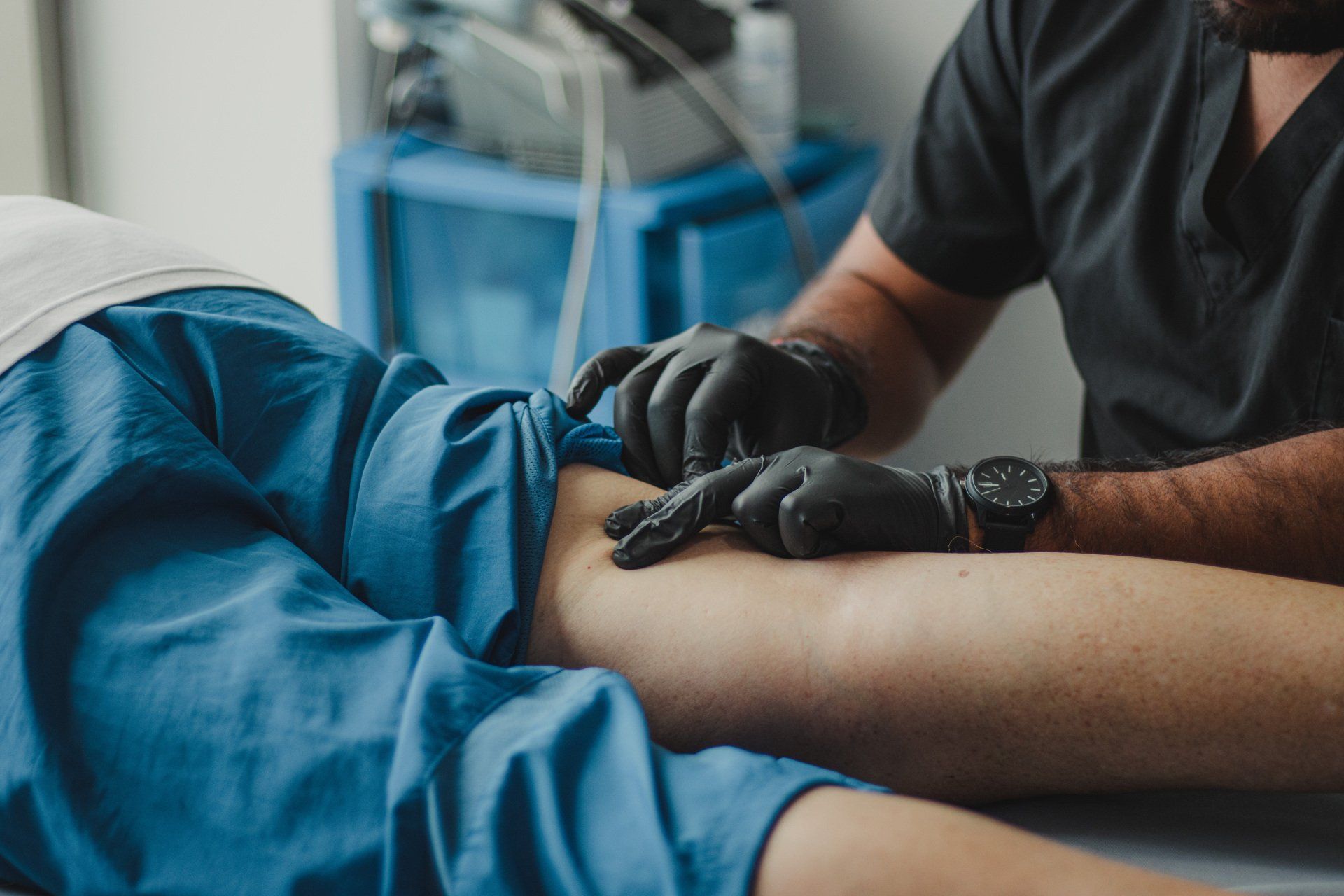
There are many ways of understanding arterial insufficiency. Some methods are non-invasive, and others are minimally invasive.


Color Doppler ultrasound (CDUS) is one of the excellent non-invasive says of visualizing the vascular blood flow. It provides a color map of blood flow through various blood vessels. It is one of the best methods in the way that it is safe, non-invasive, and doctors can check multiple arteries in a short time. However, it may be less sensitive in detecting minor arterial lesions, especially in smaller blood vessels.


Doctors may also use Multidetector-row computed tomography angiography (MD-CTA). It is minimally invasive and is a highly sensitive method. It is especially useful for small blood vessels of calves and other small blood vessels in the foot. In addition, it has a high resolution and is thus one of the most effective ways to diagnose the condition.

Contrast-enhanced magnetic resonance angiography (CE-MRA) is another highly useful and minimally invasive method.


Intra-arterial digital subtraction angiography is yet another way of diagnosing PAD. Doctors often do angiography in patients when they think that angioplasty or revascularization is needed. Thus, they may often carry out this procedure (or even other procedures) just before the intervention.


Thus, carrying out minimally invasive diagnostic procedures like angiography before revascularization has certain benefits. So, it is because doctors can use the same cut to introduce catheters for diagnostic reasons and treatment, thus improving the safety of the procedure and minimizing trauma.


Treatment of diabetic ulcer due to arterial insufficiency


Diabetic ulcers due to PAD must be treated with the help of either open surgery or endovascular revascularization. Needless to say, that less invasive methods like angioplasty are often preferred due to less trauma, faster healing, and much higher safety of the procedure.


Some individuals may ask if there is any need for revascularization in diabetic ulcers? Well, the studies show the clear advantage of revascularization. Comparative data from extensive studies show that revascularization may increase the healing rate by more than double. Not only that, revascularization may cut down the risk of amputation to half.


Since there is absolutely no doubt about the benefit of revascularization, the next question could be the choice of method. For most patients, the initial method of treatment could be balloon angioplasty. It is quite a safe procedure and is minimally invasive. Doctors use local anesthetics and introduce a catheter to blood vessels. Then, they use an x-ray monitor to visualize.


They use special instruments and catheters. These catheters have a balloon at their end. Once the catheter reaches the place where there is a plaque (as visible in the x-ray monitor), they inflate the balloon. This would reopen the artery, normalizing the blood flow.


However, quite often, dilation of the artery with a balloon is not enough. Thus, doctors would often put a metallic stent at the place. These stents support the artery wall, prevent their constriction. In addition, many stents are coated with medication to prevent the formation of plaques at that place in the future.


However, angioplasty and stents may not work in all. For example, some people are too prone to plaque formations. In such a case, doctors would need to carry out bypass surgery. As the name of the surgery suggests, it involves bypassing the occluded artery. For this, doctors would take some less needed artery from the patient’s body and use it to create a bridge that bypasses the plaque, thus restoring the blood flow.


To conclude, diabetic foot ulcer is a severe condition requiring a multidisciplinary team to treat the disease. It appears that interventional radiologists (those who carry out angioplasty or put stents in blood vessels) and vascular surgeons have a special place in improving healing rates and preventing foot amputation.


References


  1. National Diabetes Statistics Report, 2020 | CDC. Published September 28, 2020. Accessed December 24, 2021. https://www.cdc.gov/diabetes/data/statistics-report/index.html
  2. Brownrigg JRW, Apelqvist J, Bakker K, Schaper NC, Hinchliffe RJ. Evidence-based Management of PAD & the Diabetic Foot. European Journal of Vascular and Endovascular Surgery. 2013;45(6):673-681. doi:10.1016/j.ejvs.2013.02.014
  3. Armstrong DG, Cohen K, Courric S, Bharara M, Marston W. Diabetic Foot Ulcers and Vascular Insufficiency: Our Population Has Changed, but Our Methods Have Not. J Diabetes Sci Technol. 2011;5(6):1591-1595.
  4. Prompers L, Schaper N, Apelqvist J, et al. Prediction of outcome in individuals with diabetic foot ulcers: focus on the differences between individuals with and without peripheral arterial disease. The EURODIALE Study. Diabetologia. 2008;51(5):747-755. doi:10.1007/s00125-008-0940-0
  5. Schaper NC, Andros G, Apelqvist J, et al. Diagnosis and treatment of peripheral arterial disease in diabetic patients with a foot ulcer. A progress report of the International Working Group on the Diabetic Foot. Diabetes/Metabolism Research and Reviews. 2012;28(S1):218-224. doi:10.1002/dmrr.2255
30 January 2026
Ask someone what a cardiologist does, and they may answer with "heart doctor", while orthopedic surgeons specialize in bones and joints - but mention vascular surgeon, and you might get blank stares! Which is odd considering that your vascular system runs throughout your entire body, affecting nearly every aspect of health. Experience in treating vascular conditions has taught me that most people don't know what vascular surgeons do until they need us, so let me provide an overview of what a vascular surgeon does and when and why you may require one for treatment. Understanding What a Vascular Surgeon Treats Vascular surgeons specialize in all the areas where blood and lymph flow throughout your body, excluding your heart and brain. Cardiac surgeons treat cardiac blood vessels while neurosurgeons manage brain blood vessels - we specialize in everything else from your neck down to your toes. Your cardiovascular system encompasses many systems. Arteries deliver oxygen-rich blood away from your heart; veins bring it back. Lymphatic vessels help strengthen immunity. All these systems may encounter complications that require professional intervention to rectify. What often surprises people is that just because vascular specialists carry the title of "surgeon," it doesn't mean we are operating around the clock. Modern vascular specialists spend considerable time managing conditions with medication, lifestyle advice, and minimally invasive procedures - surgery is just one tool in their toolbox, not their only one! Training Requirements for Vascular Specialists Achieving certification as a vascular specialist typically takes 13-15 years from college graduation, including four years of medical school, five-year general surgery residency training, and possibly one to two years of fellowship specializing in vascular surgery. Why so long? We must master both traditional open surgery and all of the more modern endovascular techniques - such as minimally invasive surgeries performed through tiny incisions with catheters under imaging guidance - in order to select which approach would best meet each case's requirements. Learning both approaches takes time and requires training volume. Board certification from the American Board of Surgery matters when you're searching for care. A credential means your vascular surgeon has demonstrated their skills through continual education programs and continues to advance them with continuing studies. Carotid Disease Treatment and Stroke Prevention Your carotid arteries run up both sides of your neck, providing blood to your brain. When plaque builds up in them - known as carotid stenosis - this increases stroke risk significantly. Many people live with carotid disease without even realizing it; no symptoms until something serious occurs. That's why screening matters for those at high risk such as smoking history, diabetes or family history of stroke. Ultrasound imaging allows us to diagnose carotid disease through its ultrasound images, showing build-up and measuring its effect on blood flow. Treatment options available to carotid disease sufferers may include medication to stabilize plaque build-up while managing risk factors. Carotid endarterectomy, where we surgically clear away any blockage in your artery Carotid Artery Stenting as a Noninvasive Solution If you have been diagnosed with carotid stenosis or have experienced warning signs such as short vision loss, weakness or speech problems it is essential that an evaluation takes place as early detection is key in order to preventing stroke before it occurs. The goal with carotid disease treatment should always be prevention before stroke occurs. Deep Vein Thrombosis Treatment for Blood Clots Deep vein thrombosis (DVT), commonly found in legs, requires immediate medical intervention as the blood clot can break loose and travel to your lungs and cause pulmonary embolism - potentially life threatening pulmonary embolisms that require emergency care to combat. Warning signs for leg swelling include sudden leg swelling, severe charley horse pain, warmth and redness in the leg area. People recovering from surgery, pregnant women traveling long haul flights, as well as those suffering clotting disorders are at higher risk. Deep vein thrombosis treatments begin with blood thinners to prevent existing clots from expanding further and new ones from forming. If necessary, more serious cases might require thrombolytic drugs or physical removal with thrombectomy; for these instances an IVC filter may also be placed within an abdominal vein to detect and stop any attempts by blood clots to reach their lungs. If you experience symptoms of DVT after surgery, prolonged sitting or pregnancy, consult with a leg blood clot doctor immediately - time is of the essence with this condition! Peripheral Artery Disease and PAD Treatment Peripheral Artery Disease, more commonly referred to as PAD, affects your legs and feet by restricting blood flow through artery narrowing. A common sign is claudication, leg cramping that subsides with rest; without treatment PAD can even increase wound non-healing risk leading to an increased likelihood of amputation risk. Lifestyle modifications and exercise programs may help, including walking more despite any discomfort. This approach works by encouraging your body to form collateral blood vessels; medications help improve blood flow, manage risk factors, and manage symptoms; when conservative therapies don't suffice we have surgical options like angioplasty, stenting, atherectomy to remove plaque deposits; in severe cases bypass surgery might be needed. Varicose Vein Management at Our Vein Clinic While varicose veins may seem cosmetic in nature, they often indicate venous insufficiency. When your vein valves don't function as intended, blood pools instead of returning efficiently back to your heart resulting in bulging veins with bulges, twists and other symptoms including acheiness, heaviness or skin changes resulting in bulging veins as a telltale sign. Our vein clinic can offer varicose vein management services so we can treat these veins effectively! An expert varicose vein specialist can assess and recommend treatment, which typically entails minimally-invasive approaches like endovenous laser therapy, radiofrequency ablation, Sclerotherapy injections and Ambulatory Phlebectomy as well as VenaSeal closure systems. These procedures typically occur in an outpatient setting, allowing you to quickly get treated and return home quickly with minimal downtime. Aneurysm Detection and Repair by Your Vascular Surgeon An aneurysm, also known as an abdominal aortic aneurysm or AAA, is a weak spot in an artery wall that balloons out. We most frequently treat AAAs; many individuals don't realize they have them until it shows up during imaging for another condition. Rupture poses the greatest threat, necessitating an emergency surgery with high mortality rates. Therefore, screening is particularly crucial for high-risk groups such as men aged 65+ who have ever smoked and anyone with family history of AAA disease. Small aneurysms should be monitored closely. Once they reach a certain size or begin growing, treatment becomes necessary. Endovascular aneurysm repair involves placing a stent graft inside the aneurysm through small incisions in the groin; open surgical repair involves extracting any weak sections and replacing them with an artificial graft. Wound Care Clinic Services for Non-Healing Ulcers Poor circulation can contribute to slow healing wounds in people living with diabetes. What may start off as a small blister may quickly turn into an ulcer because your body cannot deliver enough oxygen and nutrients needed for full healing. Diabetics often don't notice these wounds until they're infected - an additional problem. Foot ulcer specialists within wound care clinics specialize in providing treatments designed to promote healing and avoid infections. Many vascular practices also provide dedicated wound care services as they have such close ties between circulation issues and wound healing. Care may include advanced wound dressings, debridement of damaged tissue, revascularization procedures to increase blood flow, hyperbaric oxygen therapy or skin grafting if the wounds are large enough. With diabetes foot ulcers being one of the main causes for lower limb amputation, proper wound care clinic treatments may prevent such outcomes from happening. Advanced Diagnostic Tools Your Vascular Specialist Uses Vascular medicine relies on cutting-edge imaging. Duplex ultrasound is our go-to technology - noninvasive, radiation free and shows real time blood flow allowing us to easily see narrowing, measure velocities and check for clots in real time. CT and MR angiography provide three-dimensional maps of your blood vessels to aid with planning procedures and assessing complex anatomy. Traditional angiography involves threading a catheter through your vessels and injecting contrast dye for clear pictures - it may even be combined with immediate treatment plans for maximum effectiveness. The ankle-brachial index test is deceptively straightforward: just compare blood pressure in your ankle and arm for fifteen minutes to see if they have peripheral artery disease. Intravascular ultrasound images capture what's happening inside a blood vessel itself to assist during procedures and provide clarity regarding treatment locations. Vascular Surgeon Treatment Options: Minimally Invasive vs. Open Surgery Endovascular procedures have revolutionized vascular medicine. Now instead of needing lengthy incisions and weeks-long recoveries for certain conditions, many can now be addressed through punctures as small as an eraser tip. Benefits of outpatient or inpatient procedures may include shorter hospital stays or outpatient treatments, faster recovery timeframes, less pain and scarring, reduced complications risks, and often local rather than general anesthesia. Consider angioplasty and stenting: we thread a catheter from your groin to the blocked area where a balloon will compress plaque before placing a stent to keep it open - with most patients returning home on the same day! But open surgery hasn't completely vanished from modern medicine's repertoire: some circumstances still necessitate traditional surgical repair procedures, including extensive disease, complex anatomy or failed endovascular attempts that fail. A bypass graft may work better in bypassing long blockages than trying to resolve them from within; your vascular surgeon can advise which approach makes sense in your situation. Additional Services: Intravenous Infusion Therapy and Beyond Most vascular practices provide services beyond procedures, with some conditions requiring intravenous infusion therapy for treatment, such as blood clot medications or antibiotics for infected grafts or wounds requiring direct bloodstream delivery; advanced practices often have dedicated infusion centers for outpatient treatments. Dialysis patients require reliable vascular access. We develop and manage arteriovenous fistulas and grafts, then handle any potential complications as soon as they arise - keeping their dialysis access functioning is literally lifesaving for these patients. Prevention is another cornerstone of our practice. We screen high-risk patients before symptoms arise, assess cardiovascular risk factors, support smoking cessation efforts, provide diet and exercise guidance and manage medications. If vascular disease exists anywhere else in your body, chances are high it is also present elsewhere - we coordinate with other doctors in managing this systemic risk factor. When Should You Seek Medical Attention From Vascular Specialists? Many don't recognize they need vascular care until a serious issue has arisen, but you should seek an evaluation if any of the following symptoms arise: Leg pain while walking that improves with rest Persistent leg swelling Varicose veins causing pain or discomfort Non-healing wounds on legs or feet Cold feet or legs Alterations in leg color or texture Pulsating mass in your abdomen Sudden pain, swelling, warmth or redness in one leg Risk factors alone may warrant screening even without symptoms being present; diabetes, high blood pressure, high cholesterol, smoking history or family history all increase your risk. Early detection often means simpler treatment plans and better outcomes. What Should Happen at Your First Consultation Your initial visit starts off with an in-depth conversation about your symptoms and medical history, to gain a full picture of what's ailing you, its duration and any associated health conditions that may be relevant. Physical exams of legs and feet involve checking pulses, listening to blood flow with Doppler technology, looking for skin changes or wounds and ordering tests such as ultrasound or ankle-brachial index for immediate testing if indicated or scheduling further appointments later. Expect your vascular surgeon to spend ample time explaining our findings and their meaning, since our field often leaves people confused. A good physician should take the time to walk you through their thinking, explain your options, and discuss likely outcomes. Advanced Veins and Vascular provides professional vascular surgery services to Hillsdale County and Coldwater, Michigan residents. Our experienced vascular surgeons specialize in everything from varicose veins to complex arterial disease, and utilize cutting-edge diagnostic technologies and minimally invasive treatment strategies while taking time to explain everything we're doing and why. No matter the condition affecting your veins, our team provides full spectrum care - be it deep vein thrombosis treatment, assistance with blood clots, evaluation for leg pain or any other aspect. Our wound care clinic specializes in complex wounds that won't heal; when necessary we offer intravenous infusion therapy; while our vein clinic offers modern varicose veins treatment without long recovery times. Board certification, years of experience, comprehensive services and an accessible location - these factors do not just play into outcomes and experiences as patients; they directly affect them! Schedule Your Vascular Specialist Consultation Are you feeling vascular symptoms or concerned about circulation? Call Advanced Veins and Vascular to schedule an evaluation Today - our team will determine the source of the issue while creating a treatment plan suited specifically for you! 
30 January 2026
Imagine this: you are walking through a parking lot when cramps hit your calf muscles. You stop, wait a moment, and it goes away, only for it to return three aisles later at your grocery store - in its familiar spot, intensity, and pattern! Leg pain may seem random at times, but in fact it could be your circulation sending a warning signal that should not be ignored. I have treated hundreds of patients who had this pattern of leg pain in Coldwater and Hillsdale County and know from experience that early action makes all the difference in outcomes. Vascular Claudication and Leg Pain Treatment Vascular claudication refers to leg cramping or pain triggered by activity and relieved with rest. It derives its name from Latin, where limp means discomfort - this makes sense when considering that many patients adjust their walking pace in response to it. What happens in your legs is this: due to plaque buildup, your arteries have narrowed, restricting blood flow. As long as you remain still or sitting still, your muscles can adapt with reduced oxygen delivery; but once walking begins and muscles contract more vigorously, their oxygen requirements increase rapidly - leading to cramped leg muscles and cramping symptoms. Patients tell me they can predict almost exactly when the pain will begin - possibly within one block, or perhaps after fifty feet. Predictability serves as a powerful diagnostic indicator. Why You Need to Seek Medical Help Most cases of vascular claudication result from Peripheral Artery Disease, or PAD. Atherosclerosis in your leg arteries - similar to heart attacks - causes plaque accumulation, which narrows them, cutting off blood flow to active legs muscles that need oxygen for activity. Without treatment from a PAD specialist, symptoms could worsen leading to leg cramps that prevent activities. Between 8-12 million Americans currently suffer from PAD. Many may not realize it because their symptoms can easily be dismissed as age or arthritis-related; but this condition is serious: when plaque builds up in leg arteries, chances are it is also building elsewhere - increasing your risk for heart attack and stroke significantly. At Advanced Veins and Vascular, we understand the importance of early evaluation and treatment for PAD can prevent progression while safeguarding overall cardiovascular health. At our center, we conduct comprehensive assessments in order to gain an accurate picture of what's happening with your circulation. For this reason, seeing a PAD specialist should never be considered optional. In fact, early evaluation is often successful at stopping further progression as early intervention reduces severity and progression rates over time. At our practice we start off with thorough assessments in order to diagnose what exactly is occurring within your circulation - or otherwise known as 'PAD specialist ' Warning Signs That Need a Vascular Specialist Cramping pain when walking is often your body's first warning sign, but other symptoms may also appear: Unusual tiredness or weakness in your legs even between episodes of coldness or numbness in lower legs or feet Color changes when elevating legs Shiny appearance to skin on legs Nails growing slower than usual Sores or cuts that take weeks to heal. Sluggish or absent pulses in your feet This red flag calls for immediate attention: pain during rest or night time restlessness is indicative of circulatory issues; if it hurts to try sleeping and causes leg cramping that makes sleeping impossible then immediate medical evaluation from a vascular specialist is warranted. Risk Factors for Leg Pain Treatment Patients Certain risk factors dramatically increase your chances of vascular claudication and PAD. Smoking tops the list; if you currently smoke or used to smoke, your risk increases exponentially; in my practice, I have observed the correlation between severe PAD and smoking as one of its effects, with quitting being one of the single most powerful interventions available to help your condition. Diabetes accelerates arterial disease. High blood sugar damages blood vessels over time, increasing your chances of PAD and often making symptoms more severe. If you're diagnosed with diabetes and experiencing leg pain when walking, do not hesitate to seek medical assistance immediately. Other major risk factors for PAD include high blood pressure and cholesterol levels as well as age over 50, family history of cardiovascular disease, as obesity (which contributes to PAD as well), and inactive lifestyle. Are you experiencing leg pain due to multiple risk factors and need a professional assessment? At Advanced Veins and Vascular in Hillsdale County and Coldwater, our team offers expert leg pain treatment solutions. Not Every Case of Leg Pain Should Point to Vascular Claudication Not every instance of leg pain points towards vascular claudication. Spinal stenosis may also produce similar neurogenic claudication symptoms; the difference being that spine issues often improve when you lean forward or sit, while vascular issues typically improve with rest regardless of posture or position. Deep Vein Thrombosis can present itself in various ways; sudden pain, significant swelling, warmth and redness could all be symptoms of DVT. When these symptoms emerge following surgery, long flights or pregnancy, medical attention must be sought immediately - not scheduled appointments later on. Venous insufficiency causes heavy, achy legs that worsen throughout the day and swelling that increases throughout the day. Since this issue involves veins rather than arteries, treatment options must differ accordingly. Finding a qualified leg specialist in Coldwater & Hillsdale County is key for diagnosing what's causing your symptoms accurately, leading to effective treatment plans and lasting solutions. How We Diagnose Vascular Claudication Treatment Needs At Advanced Veins and Vascular, when it comes to leg pain evaluation, we start with an in-depth discussion about your symptoms and medical history before moving on to objective testing. Ankle-brachial index tests are typically the starting point. We measure blood pressure in your ankle and compare it to that of your arm - all within 15 minutes, without discomfort - providing immediate information if circulation to your legs has become impaired. Ultrasound imaging allows us to see exactly what's happening inside your arteries at any moment in real time, providing us with real-time images that allow us to detect narrowing, measure blood flow velocities and pinpoint exactly where blockages exist. Sometimes we will have you walk on a treadmill while monitoring symptoms; recreating the problem in such a controlled setting helps confirm its diagnosis. For more precise imaging, we can use CT or traditional angiography. These three-dimensional maps of your arteries help us better plan an effective treatment approach. Effective Vascular Claudication Treatment Options Treatment for vascular claudication should focus on three goals. They are to relieve your symptoms so you can walk without pain; improve quality of life and independence; and stop PAD from progressing further to more serious complications. Lifestyle Changes That Actually Work Supervised walking programs are supported by robust research. Their approach may seem counterintuitive but is actually effective: Walk until pain sets in, rest until it has subsided, then walk again. Repeat several times each week until your body develops collateral vessels to bypass blockages more naturally. Ceasing smoking should not be negotiable. Your arteries will respond, and symptoms should improve even without further interventions. Diet changes designed to manage cholesterol are designed to promote better plaque prevention. By increasing vegetables, whole grains, and lean proteins while decreasing consumption of saturated fat and processed foods, your goal should be to prevent additional plaque buildup. Most patients diagnosed with PAD require medical management. Antiplatelet drugs like aspirin or clopidogrel help prevent blood clots from forming; statins reduce cholesterol while helping stabilize arterial plaque; while blood pressure medications keep this under control. Cilostazol may help some patients walk farther before experiencing pain, though there are restrictions (can't take it with heart failure), however when effective patients notice real improvement. Minimally Invasive Procedures When conservative measures don't do the trick, we offer minimally invasive solutions. An angioplasty uses a balloon to stretch open narrowed arteries. We may then place a stent (small mesh tube) to keep them propped open. Finally, atherectomy tools can remove plaque directly from within an artery wall. These procedures involve making a tiny puncture through which local anesthesia is administered to you while awake. Most patients can go home that same day, with recovery measured in days rather than weeks - one of the greatest advances in treating PAD over the last 20 years. Surgery May Be Necessary Bypass surgery remains an option for extensive blockages. We create a detour around it using healthy veins from elsewhere or synthetic grafts; although more involved than endovascular procedures, you'll spend at least one night in hospital while recovery takes longer. But sometimes surgery remains the best option for lasting results. Leg Pain Treatment Untreated claudication does not remain stable over time; rather, it worsens. At its worst stage, critical limb ischemia occurs when blood flow drops dangerously low even at rest; when this happens, you're faced with constant discomfort, non-healing wounds, and real risk of amputation. Leg ulcers caused by poor circulation require special care to heal properly and avoid infection, and Advanced Veins and Vascular offers wound care services as part of our practice. PAD also puts you at higher cardiovascular risk overall; people living with PAD tend to have increased rates of heart attack and stroke, making treatment for PAD about protecting all aspects of vascular system health rather than solely targeting legs. When to Visit a Vascular Specialist in Michigan Schedule an evaluation if any of the following symptoms exist in you: Predictable leg pain or cramping that begins with walking Nighttime leg pain that interferes with sleep Persistent swelling in legs Wounds or sores that won't heal normally Temperature changes in legs Numbness or weakness impeding your mobility Sudden leg pain combined with coldness or numbness should always be considered an emergency - it could indicate complete arterial blockage or an acute blood clot, prompting immediate action to seek medical advice at once. Seek emergency help immediately! Assuring the Best Leg Pain Treatment Vascular claudication can be managed effectively with proper treatment. Most of my patients see significant progress after starting with treatment - they walk farther, experience less discomfort and return to activities they had given up due to leg pain. But success requires staying engaged with treatment plans in order to experience lasting improvement. Regular follow-up appointments allow us to monitor your progress and adjust your treatment plan as necessary. Medication reviews must take place periodically, while exercise programs might need adjustments at times. In addition, symptoms can change rapidly; we need to stay ahead of any potential progression. Schedule Your Evaluation With Advanced Veins and Vascular Is leg pain limiting your activities? Advanced Veins and Vascular can assist. Our specialists specialize in diagnosing and treating peripheral arterial disease (PAD). We serve Hillsdale County and Coldwater residents in Michigan using cutting-edge diagnostic tools and minimally invasive treatment techniques. Our team has the expertise to quickly diagnose the source of your symptoms and devise an individualized treatment plan to address them. From medication management, minimally invasive procedures, or surgical interventions, all are provided under one roof at our center of excellence. Reach out to Advanced Veins and Vascular to schedule your consultation, where we will discover the cause of your leg pain and offer solutions that won't hinder living the life you want. Don't let circulation problems stop you from living the life you deserve!
by Designer Support 4 October 2024
Leg ulcers can affect daily life by causing discomfort, limiting mobility, and affecting overall well-being. These ulcers often result from poor circulation or vein disease, leading to nonhealing wounds if not properly managed. Regular care and attention help reduce the risk of complications, such as infection or further skin damage. Long-term management should focus on lifestyle changes and professional guidance. Consulting a vein disease doctor can be crucial in managing nonhealing leg ulcers. A doctor may recommend treatments to improve circulation, suggest supportive care, or explore other nonhealing leg ulcer treatment options that may work for your condition. Incorporating healthier habits into your routine can support leg ulcer management. Whether through diet changes, regular movement, or proper skincare, these adjustments should be part of a comprehensive plan for long-term relief. Let's dive deeper into each one of these tips!
by Ela Support 30 July 2024
An abdominal aortic aneurysm (AAA) is a condition where the lower part of the aorta becomes enlarged. This can lead to serious health issues if not managed properly. Implementing lifestyle changes plays a crucial role in preventing and managing AAA. Quitting smoking, maintaining a healthy diet, and exercising regularly can significantly reduce risks. Understanding AAA helps patients seek timely abdominal aortic aneurysm treatment , essential for effective management. Early diagnosis and intervention are crucial to preventing complications. By staying informed and proactive, individuals can make better choices for their vascular health. What is an Abdominal Aortic Aneurysm? An abdominal aortic aneurysm (AAA) occurs when the lower part of the aorta, the major blood vessel supplying blood to the body, enlarges. This condition can be life-threatening if the aneurysm bursts. Several factors contribute to the development of AAA, including age, smoking, high blood pressure, and a family history of the condition. Men over 65 are particularly at risk. Understanding these causes and risk factors is essential for early detection and effective treatment . By addressing these risk factors, individuals can take steps to protect their vascular health. The role of lifestyle in AAA development and progression Lifestyle choices significantly impact the development and progression of an abdominal aortic aneurysm (AAA). Diet modifications play a crucial role in managing this condition. Adopting a heart-healthy diet is essential for maintaining vascular health. A balanced diet rich in fruits, vegetables, whole grains, lean proteins, and healthy fats supports overall health and can help prevent AAA complications. Reducing sodium intake is also vital, as high sodium levels can increase blood pressure, putting additional strain on the aorta and increasing the risk of aneurysm expansion or rupture. Incorporating more fruits and vegetables provides essential vitamins and minerals, while whole grains offer fiber and other nutrients beneficial for heart health. Lean proteins, such as fish and poultry, supply necessary proteins without the added unhealthy fats found in red meats. Healthy fats, like those found in nuts, seeds, and olive oil, contribute to better cardiovascular health. Individuals can manage their blood pressure more effectively by reducing sodium, directly influencing the risk of AAA progression. Understanding the importance of these dietary changes can lead to better outcomes in abdominal aortic aneurysm treatment. By making informed choices about diet and lifestyle, individuals can take proactive steps to protect their vascular health and improve their overall well-being. How exercise helps in maintaining vascular health Exercise is vital in maintaining vascular health and can be crucial in preventing abdominal aortic aneurysms (AAA). Regular physical activity helps improve circulation, reduce blood pressure, and maintain a healthy weight, all essential for vascular health. Aerobic exercises like walking, swimming, and cycling are highly recommended for AAA prevention. These activities increase heart rate, boost cardiovascular endurance, and enhance blood flow. Strength training also offers significant benefits, including improved muscle mass and bone density, which can support better overall health. Incorporating flexibility and balance exercises helps enhance stability and prevent falls, which is especially important for older adults. Creating a sustainable exercise routine involves setting realistic goals and finding ways to incorporate physical activity into daily life. This can include taking the stairs instead of the elevator, walking or biking to work, or setting aside time for regular workouts. By making exercise a consistent part of the daily routine, individuals can support their vascular health and reduce the risk of AAA progression. Understanding the importance of these various types of exercises can lead to more effective abdominal aortic aneurysm treatment and overall better health outcomes. Conclusion Start making small, sustainable changes today to improve your vascular health. Simple steps like adopting a heart-healthy diet and regular exercise can make a significant difference. For more information, explore resources on abdominal aortic aneurysm treatment and management. Share your tips and experiences in the comments section to inspire others. Consult with Advanced Vein & Vascular Management Clinic in Michigan for personalized advice to achieve better vascular health. Taking these actions can help you stay proactive and informed about your health.
by Bassem Ghali 11 June 2024
How do you deal with leg blood clots?
by Designer Support 23 February 2024
How dangerous are varicose veins and how do you treat them?
non healing leg and foot ulcers, treatment, Michigan
by David 13 April 2022
non healing leg and foot ulcers in Michigan, One standard treatment method is compression therapy
Diabetic foot ulcer, treatment in Michigan
by David 6 April 2022
Diabetic foot wounds and ulcers treatment in Michigan. Diabetes is the leading cause of vasculopathies and neuropathies.
by David 29 January 2022
Leg swelling is not a rare complaint and may occur for many reasons. It happens due to the accumulation of body fluids in the lower extremities. If both legs are swollen, it indicates some generalized disease condition, like heart disease, kidney issues, and even medication side effects. In some, even prolonged periods of immobility may lead to leg swelling.
by David 4 January 2022
Varicose veins are one of the most common health problems. It is also a significant aesthetic issue. It is estimated that almost close to one-fourth of adults in the US have varicose veins. If less significant issues like telangiectasis and reticular veins are counted, then the condition is present in almost 80% of adults. It is also more common among women.